
How Does a Veterinary Laser Therapy Machine Help Animals?
Animals can experience many of the same physical challenges as people, including muscle soreness, joint discomfort, soft-tissue injuries, and recovery problems after surgery. Veterinary professionals are increasingly exploring non-invasive technologies that can support comfortable recovery and overall mobility. A veterinary laser therapy machine is one such technology, using therapeutic light to support the body’s natural healing processes.
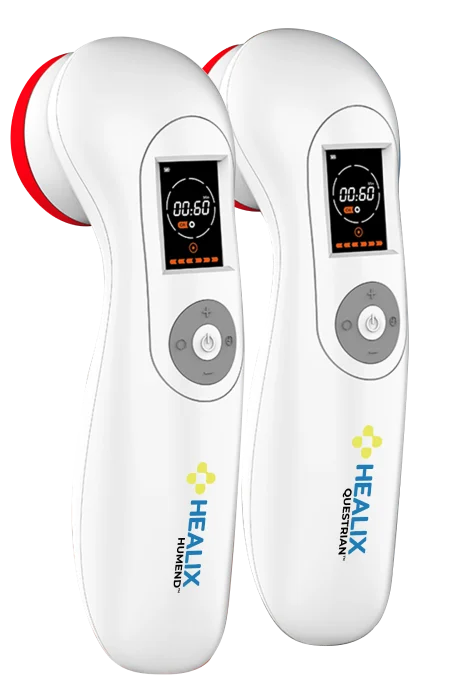
For veterinary clinics, rehabilitation centers, equine practices, and animal-care professionals, laser therapy can be incorporated into a broader treatment plan based on an animal’s condition and individual needs. Healix Lasers Professional provides laser therapy technology designed to support professional animal-care applications.
What Is Veterinary Laser Therapy?
Veterinary laser therapy, often called therapeutic laser therapy or photobiomodulation, uses specific wavelengths of light delivered to targeted areas of the body. The light energy interacts with cells and may support cellular activity, circulation, tissue repair, and the body’s natural recovery response.
Unlike surgical lasers, therapeutic lasers are generally used as a non-invasive treatment approach. A trained veterinary professional directs the device over the selected treatment area according to an appropriate protocol.
The goal is not simply to treat a symptom but to support the biological processes involved in tissue recovery and comfortable movement.
How Can a Veterinary Laser Therapy Machine Help?
A veterinary laser therapy machine may be used as part of rehabilitation and supportive care for a variety of animal conditions. Depending on the veterinary assessment, applications can include muscle soreness, joint problems, soft-tissue injuries, post-operative recovery, and other situations where supporting tissue healing and comfort is appropriate.
Therapeutic light may encourage cellular activity and support circulation in the treated area. Improved local circulation can help provide tissues with oxygen and nutrients needed during recovery.
Laser therapy may also be incorporated into rehabilitation programs for animals experiencing mobility challenges. When discomfort or stiffness affects movement, supporting recovery may help an animal participate more comfortably in prescribed rehabilitation exercises.
Supporting Recovery After Injury or Surgery
Recovery following an injury or surgical procedure can require patience, controlled activity, rehabilitation, and ongoing veterinary monitoring. Laser therapy may serve as a complementary component of that process.
For example, a veterinarian may include therapeutic laser sessions in a rehabilitation plan after certain orthopedic procedures or soft-tissue injuries. Treatment protocols can vary depending on the animal’s species, size, condition, treatment area, and clinical goals.
Because every animal responds differently, laser therapy should be administered according to professional guidance rather than using the same protocol for every patient.
Benefits for Veterinary and Equine Care
One of the advantages of therapeutic laser technology is its versatility. Veterinary professionals may use laser therapy with dogs, cats, horses, and other animals when clinically appropriate.
In equine care, laser therapy can be considered as part of rehabilitation programs involving muscles, joints, tendons, and other soft tissues. Horses involved in athletic activities may experience physical stress from training and competition, making recovery an important part of their overall care program.
For companion animals, laser therapy may also be considered when supporting mobility and comfort is an important part of a veterinary treatment plan.
Healix Lasers Professional focuses on professional laser therapy technology that can be incorporated into veterinary and rehabilitation environments.
Choosing the Right Veterinary Laser Therapy Machine
Selecting a veterinary laser therapy machine requires more than simply comparing equipment based on appearance or price. Veterinary professionals should consider factors such as wavelength options, power output, treatment modes, ease of operation, ergonomics, safety features, training resources, and manufacturer support.
The intended application is equally important. A device selected for a small-animal clinic may have different practical requirements from equipment used regularly in equine rehabilitation.
Veterinary professionals should also make sure that staff understand appropriate operating procedures and follow manufacturer instructions. Proper training and individualized treatment protocols are important for using therapeutic laser technology responsibly.
Why Professional Guidance Matters
Laser therapy should complement veterinary care rather than replace diagnosis or necessary medical treatment. Before treatment begins, an animal should receive an appropriate assessment so the underlying problem can be identified.
A veterinarian or qualified professional can determine whether laser therapy is appropriate and establish a treatment plan based on the animal’s condition. Treatment frequency, duration, and intensity can vary considerably between patients.
Professional oversight also helps ensure that laser therapy is integrated appropriately with other rehabilitation methods, medications, exercise programs, or procedures when required.
A Modern Approach to Animal Rehabilitation
As veterinary medicine continues to incorporate technology into rehabilitation and supportive care, therapeutic laser systems are becoming an option for professionals seeking non-invasive treatment tools. A veterinary laser therapy machine can provide targeted light therapy that supports the body’s natural recovery processes and may be useful across different areas of animal care.
For veterinary clinics and rehabilitation professionals, Healix Lasers Professional offers laser therapy solutions intended to support modern clinical applications. With appropriate professional assessment, training, and treatment protocols, laser therapy can become a valuable part of a comprehensive approach to animal wellness and recovery.
Conclusion
A veterinary laser therapy machine can support animal rehabilitation by delivering therapeutic light to targeted areas and encouraging natural cellular and tissue-recovery processes. From companion animals to horses, laser therapy may be incorporated into treatment plans involving mobility, soft-tissue recovery, post-operative care, and general rehabilitation. The best results depend on choosing appropriate equipment and using it under professional guidance. With the right protocols and veterinary oversight, Healix Lasers Professional technology can be considered as part of a modern, comprehensive approach to animal care.