
How Professional Concrete Contractors Canberra Handle Different Projects?

Concrete plays an important role in many residential, commercial, and civil construction projects across Canberra. From driveways and house slabs to pathways, foundations, and larger infrastructure work, each project requires careful planning and proper execution. Professional concrete contractors Canberra rely on suitable equipment, experienced workers, and practical site planning to deliver durable results.
Understanding how contractors manage different types of concrete work can help property owners and project managers make informed decisions before starting construction.
Assessing the Project Requirements
Every concrete project starts with a proper assessment of the site and project requirements. Contractors usually consider the size of the area, ground conditions, access to the site, concrete requirements, drainage, and the intended use of the finished surface.
For example, a residential driveway may have different requirements from a commercial warehouse floor. Similarly, civil construction projects often involve larger volumes of concrete and more detailed planning.
A site assessment also helps contractors identify potential access problems. Narrow entrances, steep driveways, limited working space, or long distances between the concrete truck and pouring area can affect how the team approaches the project.
Residential Concrete Projects
Residential projects often include driveways, patios, footpaths, slabs, retaining structures, and other outdoor surfaces. Contractors need to prepare the ground properly before placing concrete.
The process may involve removing unsuitable soil, levelling the area, preparing the base, installing reinforcement where required, and setting appropriate formwork. Good preparation helps create a stable foundation and reduces the risk of cracking or uneven surfaces.
Contractors also consider the property’s existing layout. They may need to work around landscaping, buildings, fences, utilities, and other structures while maintaining safe access to the site.
Commercial Concrete Work
Commercial projects can involve larger areas and tighter schedules. Concrete may be required for floors, car parks, pathways, foundations, loading areas, and other structures.
These projects usually require coordination between different teams, including builders, engineers, concrete suppliers, and site managers. Contractors must plan the concrete pour carefully so that the required workforce and equipment are available at the right time.
Consistent concrete placement is also important for larger surfaces. Proper planning can help minimise delays and support an efficient workflow throughout the project.
Civil Construction Projects
Civil projects can involve roads, bridges, drainage structures, footpaths, kerbs, foundations, and other infrastructure. These jobs may require larger quantities of concrete and specialised equipment.
Before starting a civil project, contractors generally review site conditions, project drawings, access arrangements, and concrete requirements. They also need to coordinate the delivery and placement process because delays can affect several stages of construction.
Large projects may require concrete to travel considerable distances from the delivery point to the exact pouring location. This is where suitable pumping equipment can make the process more practical.
Using Concrete Pumping Equipment
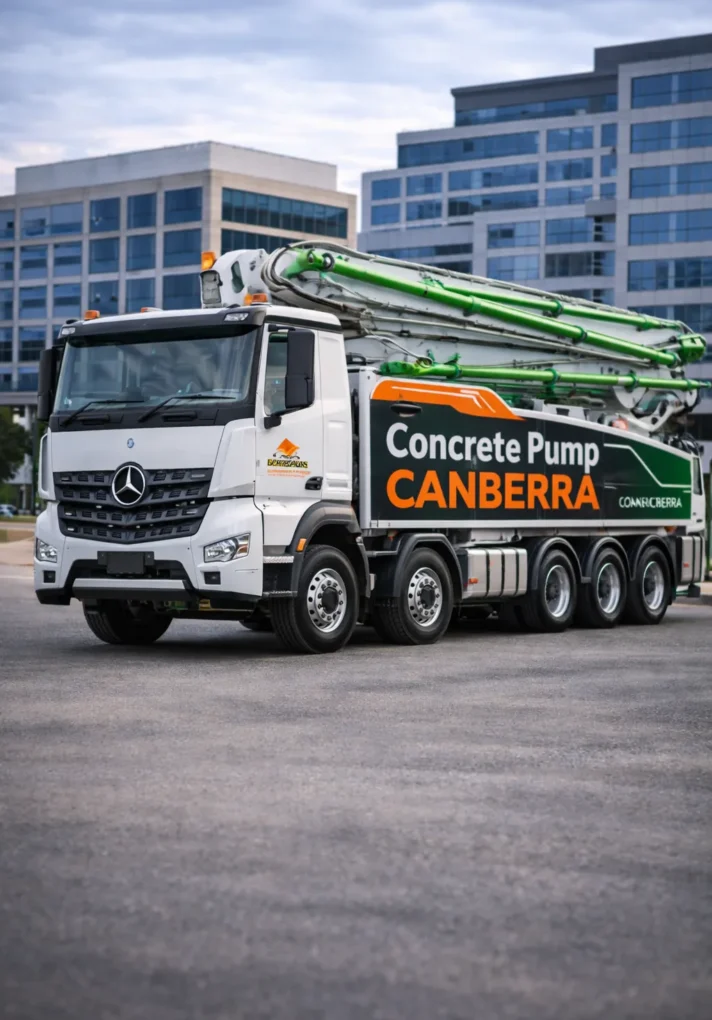
Concrete placement becomes more challenging when the pouring area is difficult to reach. A concrete pump can help move wet concrete from the delivery truck to the required location through a controlled pumping system.
Businesses planning a project may consider concrete pump hire when the site has restricted access, elevated sections, deep foundations, or large pouring areas. Pumping can help reduce manual handling and make concrete placement more efficient.
The right pumping equipment depends on factors such as the size of the project, site layout, required reach, and volume of concrete. Contractors can assess these factors before selecting the appropriate setup.
Preparing for a Smooth Concrete Pour
Good preparation can make a significant difference to the overall project. Before the pour begins, contractors typically check the formwork, reinforcement, access routes, equipment, and workforce requirements.
The concrete delivery schedule also needs careful coordination. Concrete should arrive when the site is ready to receive it, helping the team maintain a steady pouring process.
Weather conditions can also affect concrete work. Extreme temperatures, rain, and other conditions may require contractors to adjust their working approach. Proper planning helps the team respond to these challenges while maintaining site safety and work quality.
Finishing and Curing the Concrete
After concrete placement, contractors focus on finishing the surface according to the project’s requirements. Depending on the application, the finish may need to be smooth, textured, or suitable for regular vehicle and pedestrian use.
Curing is another important stage. Concrete needs appropriate moisture and time to develop its intended strength. Contractors follow suitable curing practices based on the project and concrete specifications.
Proper curing can support the long-term performance of the finished surface and help reduce problems associated with premature drying.
Why Professional Planning Matters?
Different construction projects present different challenges. A small residential slab may require careful access planning, while a major commercial or civil project may require detailed scheduling and specialised equipment.
Experienced concrete contractors Canberra can assess these factors before work begins and organise the necessary resources accordingly. This approach helps create a more structured construction process and reduces avoidable site complications.
Conclusion
Professional concrete work involves much more than simply placing and finishing concrete. Contractors need to understand the site, prepare the ground, coordinate deliveries, select suitable equipment, and manage each stage of the pour carefully. Whether the project involves a residential driveway, commercial development, or civil infrastructure, proper planning can support a smoother construction process.
For projects that require efficient concrete placement and suitable pumping solutions, Canberra Concrete Pump can support contractors and construction teams with practical concrete pumping requirements across Canberra.
Frequently Asked Questions
1. What do concrete contractors in Canberra usually handle?
They can work on residential, commercial, and civil projects, including slabs, driveways, pathways, foundations, floors, and other concrete structures.
2. When should I consider concrete pump hire?
Concrete pump hire can be useful when the pouring area is difficult to access, located at a height or distance, or requires a large volume of concrete to be placed efficiently.
3. Why is site preparation important before pouring concrete?
Proper site preparation helps create a stable base for the concrete. It may include excavation, levelling, base preparation, reinforcement, and formwork installation.
4. How does weather affect concrete work?
Rain, extreme heat, and other weather conditions can affect concrete placement and curing. Contractors may adjust their schedule or working methods according to site and weather conditions.
5. What should I consider before starting a concrete project?
Consider the project size, site access, ground conditions, concrete requirements, equipment needs, scheduling, and the experience of the contractors handling the work.