
When Is Liposuction the Right Choice?
Liposuction can be an appealing option for people who want a more defined body shape and have stubborn fat deposits that remain despite consistent lifestyle habits. Understanding when Liposuction Uae may be appropriate helps individuals make informed decisions about body contouring and set realistic expectations. The procedure focuses on removing localized fat rather than achieving major weight loss, making it important to understand its purpose, suitability, and expected results before considering treatment.
What Is Liposuction?
Liposuction is a surgical body-contouring procedure designed to remove excess fat from specific areas of the body. It can help refine body proportions and create a smoother, more balanced appearance by targeting fat deposits that are difficult to reduce through ordinary weight-management efforts.
The procedure may be considered for areas such as the abdomen, hips, thighs, upper arms, back, and chin. The appropriate treatment areas depend on individual anatomy, skin elasticity, personal goals, and an assessment by a qualified medical professional.
Liposuction does not treat every concern related to body shape. It is primarily intended to address localized fat rather than loose skin, weakened abdominal muscles, or overall excess body weight.
When Is Liposuction the Right Choice?
Liposuction may be suitable when a person has specific body-contouring concerns and understands what the procedure can realistically achieve. Several factors can help determine whether this treatment deserves consideration.
When Stubborn Fat Deposits Remain
Some people maintain relatively stable body weight but continue to notice persistent fat around particular areas. These deposits may affect the body’s overall proportions, even when the individual follows consistent eating and physical activity habits.
Liposuction may help reshape selected areas by removing localized fat. Suitability depends on the amount and distribution of fat, skin quality, and the person’s overall health.
When Body Weight Is Relatively Stable
Individuals who are close to their preferred weight may be better candidates for body contouring than those seeking substantial weight reduction. Stable weight can make it easier to evaluate the areas that require attention and establish realistic treatment goals.
Liposuction is not designed to replace healthy lifestyle habits or serve as a primary treatment for obesity. People experiencing significant weight fluctuations may benefit from discussing their weight-management goals with a healthcare professional before considering surgery.
When a More Defined Body Shape Is Desired
Some individuals want greater definition around the waist, thighs, arms, or chin. Localized fat removal may improve the proportions of these areas and create a more contoured appearance.
The degree of definition depends on individual anatomy, fat distribution, and skin elasticity. A qualified practitioner can explain which areas may respond well and whether the desired result is achievable.
When Skin Has Sufficient Elasticity
Skin elasticity plays an important role in how the body looks after fat removal. Skin that can contract effectively may adapt more smoothly to the new contours.
When significant loose skin is present, removing fat alone may not address the entire concern. A professional assessment can help determine whether another approach or a combination of procedures may be more appropriate.
Who May Be a Suitable Candidate?
A suitable candidate generally has specific body-contouring goals, relatively stable weight, and realistic expectations about the results. Overall health and the ability to undergo surgery safely are also important considerations.
People considering liposuction should be prepared to discuss their medical history, existing conditions, previous procedures, and personal goals during a consultation. These details help the medical professional evaluate whether the procedure is appropriate.
Liposuction may not be the right choice for someone who expects dramatic weight loss, wants to treat cellulite alone, or hopes to correct substantial loose skin through fat removal. Understanding these limitations helps individuals make decisions based on their actual needs rather than unrealistic expectations.
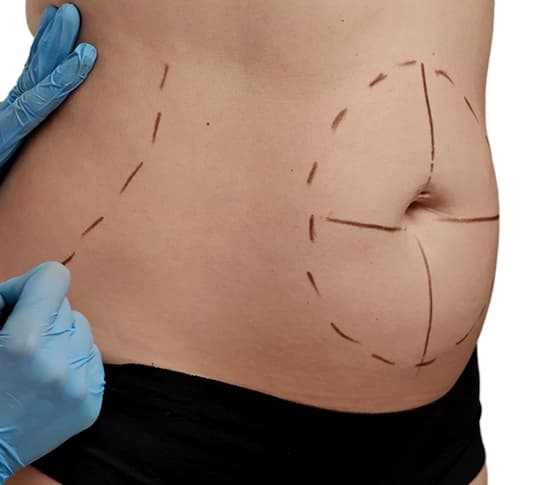
What Areas Can Liposuction Treat?
Liposuction can address several areas where localized fat affects body proportions. The treatment plan depends on the individual’s anatomy and the areas being targeted.
Common treatment areas include:
- Abdomen: May help refine the abdominal contour by removing selected fat deposits.
- Hips and waist: Can help create a more defined transition between the waist and hips.
- Thighs: May improve the shape and proportions of the inner or outer thighs.
- Upper arms: Can reduce localized fat that affects arm contours.
- Back: May address selected fat deposits around the upper or lower back.
- Chin and neck: Can help refine the profile when localized fat contributes to fullness.
Not every person is suitable for treatment in every area. The expected outcome depends on the amount of fat present, skin condition, and the overall treatment plan.
How Does the Liposuction Process Work?
The process generally begins with a consultation to evaluate the individual’s goals, medical history, body proportions, and suitability for treatment. The practitioner examines the intended areas and discusses realistic outcomes.
Before surgery, the treatment plan is established, including the areas to be addressed and the appropriate surgical approach. The procedure is performed using suitable anaesthesia, depending on the treatment plan and the extent of the operation.
Small incisions are typically made in the selected areas, allowing a thin tube called a cannula to be inserted. The cannula is used to loosen and remove targeted fat through suction. The precise technique varies according to the treatment area and the practitioner’s clinical judgment.
After the procedure, the body needs time to recover and adjust to its new contours. Swelling can temporarily affect the appearance of the treated areas, so the final outcome may take several months to become apparent. Individual recovery experiences vary, and the treating professional provides guidance appropriate to the procedure.
What Are the Main Benefits of Liposuction?
Liposuction may offer several benefits for people who are suitable candidates and have clearly defined body-contouring goals.
More Refined Body Contours
Removing selected fat deposits may create smoother transitions between body areas and improve overall proportions.
Targeted Fat Removal
The procedure focuses on specific areas rather than attempting to reduce body fat evenly throughout the body.
Potentially Long-Lasting Results
Removed fat cells do not typically return to the treated area in the same way. However, remaining fat cells can enlarge with weight gain, potentially changing the body’s shape over time.
Greater Confidence in Body Shape
Some individuals feel more comfortable with their appearance when their body contours better reflect their personal goals. Results vary, and satisfaction depends partly on having realistic expectations before treatment.
What Should Be Considered Before Treatment?
A thoughtful decision involves more than identifying an area of unwanted fat. Individuals should understand the surgical nature of the procedure, recovery requirements, and limitations of the expected results.
Important considerations include overall health, skin elasticity, stable weight, personal expectations, and the time available for recovery. Liposuction also involves surgical risks, which should be discussed openly with a qualified medical professional before making a decision.
People should ask how the proposed technique addresses their specific concerns, what results are realistic for their anatomy, and whether another treatment approach would better meet their goals.
Frequently Asked Questions
Is Liposuction a Weight-Loss Procedure?
Liposuction is primarily a body-contouring procedure rather than a weight-loss treatment. It removes localized fat deposits to refine selected areas of the body. It is not intended to replace a balanced lifestyle or comprehensive weight-management care.
How Long Does It Take to See Results?
Initial changes may become noticeable as recovery progresses, but swelling can temporarily obscure the outcome. The contours generally become clearer over several weeks to months, depending on the treatment area and individual healing process.
Can Liposuction Treat Loose Skin?
Liposuction removes fat but does not directly remove excess skin. When loose skin is a major concern, a separate assessment can help determine whether a skin-tightening or skin-removal procedure may be more suitable.
Are Liposuction Results Permanent?
Fat cells removed during treatment are generally removed permanently. However, remaining fat cells can increase in size if body weight rises. Maintaining a relatively stable weight can help preserve the results.
Can More Than One Area Be Treated?
Multiple areas may sometimes be treated during the same operation, depending on the person’s health, the amount of fat involved, and the overall surgical plan. The appropriate approach must be determined through an individual medical assessment.
Conclusion
Liposuction may be the right choice for individuals seeking targeted body contouring, particularly when localized fat deposits remain despite consistent lifestyle habits and body weight is relatively stable. Understanding the procedure, its limitations, and the importance of skin elasticity can help people decide whether treatment aligns with their goals. Before choosing Liposuction Uae as a potential solution, individuals should seek a professional assessment, discuss realistic outcomes, and consider whether fat removal alone can address their concerns. An informed decision built around personal anatomy, overall health, and achievable expectations provides a stronger foundation for pursuing a more defined body shape.