
Why Does Your Washing Machine Stop Mid-Cycle? Causes and Solutions
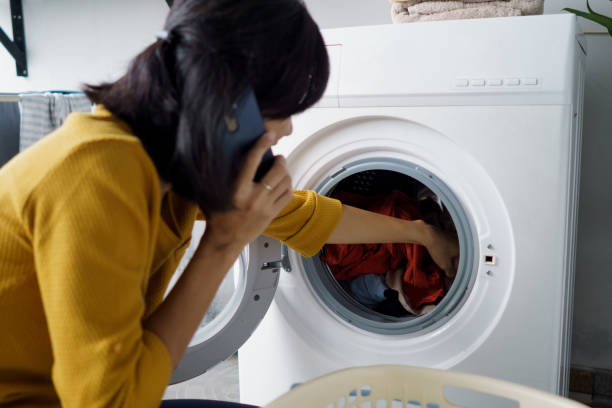
A washing machine that stops in the middle of a cycle can be frustrating, especially when clothes are still wet, covered in detergent, or waiting for the rinse and spin stages to finish. The machine may stop after filling with water, during washing, before draining, or just as it begins spinning. Sometimes, the reason is a simple issue that you can fix at home. In other cases, the problem may involve a faulty component that needs professional attention.
Understanding why your washing machine stops mid-cycle can help you identify the cause and decide what to do next. Common reasons include an unbalanced load, a blocked drain, a faulty door lock, water supply problems, overheating, or an electrical issue. Knowing the warning signs can help prevent further damage and keep your laundry routine running smoothly.
Common Reasons Your Washing Machine Stops Mid-Cycle
Washing machines rely on several parts working together to complete each stage of a wash. If one component fails or the machine detects a problem, it may pause or stop automatically to protect itself.
An Unbalanced Laundry Load
One of the most common reasons a washing machine stops during a cycle is an unbalanced load. When heavy items gather on one side of the drum, the machine may struggle to distribute the weight evenly. This is especially common when washing blankets, towels, bedsheets, or other bulky items.
Modern washing machines often include sensors that detect excessive movement during the spin cycle. If the drum becomes unbalanced, the machine may pause, attempt to redistribute the clothes, or stop spinning altogether.
How to fix it:
- Pause the washing machine and wait for the door to unlock.
- Spread the clothes evenly around the drum.
- Remove a few heavy items if the drum is overloaded.
- Restart the cycle and check whether the machine spins normally.
Avoid washing a single heavy item without balancing it with suitable items, following the manufacturer’s instructions.
A Blocked Drain Pump or Drain Hose
If your washing machine stops with water still inside the drum, a drainage problem may be responsible. The machine needs to remove used water before it can move to the next stage of the wash. A blocked drain hose, clogged pump filter, or damaged drain pump can interrupt this process.
Lint, hair, small clothing items, and other debris may collect in the drainage system over time. Some machines display an error code when they cannot drain water properly.
How to fix it:
Check the drain hose for visible bends or kinks. If your model has an accessible pump filter, consult the manufacturer’s instructions before cleaning it. Disconnect the machine from power first, and prepare for water to spill when opening the filter.
If the pump makes unusual noises, fails to drain, or continues to cause problems after cleaning, professional inspection may be necessary.
A Faulty Door Lock or Lid Switch
Washing machines are designed to stop operating if the door or lid is not securely closed. This safety feature prevents water from leaking out and reduces the risk of injury from a moving drum.
A damaged door latch, worn lid switch, or faulty locking mechanism may cause the machine to stop unexpectedly, even when the door appears to be closed correctly.
Check that clothing is not trapped between the door and its seal. Close the door firmly without forcing it, and restart the cycle. If the door lock indicator flashes repeatedly or the machine stops whenever the drum begins moving, the locking mechanism may need repair.
Do not bypass the door lock or attempt to operate the machine with its safety features disabled.
Water Supply Problems
A washing machine needs an adequate supply of water to wash and rinse clothes. If the water pressure is too low, the supply valve is closed, or the inlet hose is blocked, the machine may pause while waiting for water.
A clogged inlet filter can also restrict water flow. In some cases, the machine fills slowly and stops before reaching the next stage.
Check that the water supply taps are fully open and that the inlet hoses are not bent or damaged. If other taps in your home also have weak water pressure, the problem may be with the household water supply.
If the machine repeatedly stops while filling, a technician can inspect the inlet valve, filters, and water-level sensing system.
Electrical and Mechanical Problems That Interrupt a Wash
Some washing machine problems are less obvious because they involve internal components. If basic checks do not solve the issue, the machine may need a more detailed diagnosis.
A Faulty Control Board or Sensor
The control board manages the washing machine’s operations, including filling, washing, draining, rinsing, and spinning. Sensors send information to the board so it can determine when to move between stages.
If the control board, water-level sensor, or temperature sensor develops a fault, the machine may stop unexpectedly. It might also display an error code, fail to respond to button presses, or remain stuck at the same point in the cycle.
You can try a basic reset if the manufacturer’s instructions allow it. Switch off the machine, unplug it, wait several minutes, and reconnect it. If the issue continues, avoid repeatedly resetting the appliance without identifying the cause.
Internal electrical components should be inspected by a qualified technician.
Motor Overheating
The washing machine motor powers the drum during washing and spinning. If the machine is overloaded, has a mechanical obstruction, or experiences a motor fault, it may overheat and stop operating.
Some models include thermal protection that temporarily shuts down the motor until it cools. You may notice that the machine works again after sitting idle but stops when another cycle begins.
Allow the machine to cool, reduce the load, and check whether the drum moves normally when the appliance is switched off and safe to inspect. If the motor repeatedly overheats, produces a burning smell, or makes unusual noises, stop using the machine and arrange a professional inspection.
A Damaged Drive Belt or Worn Bearings
In belt-driven washing machines, the drive belt helps transfer power from the motor to the drum. A loose, worn, or broken belt may prevent the drum from turning correctly.
Worn drum bearings can also create loud grinding, rumbling, or squealing noises. Depending on the severity of the problem, the machine may stop during washing or fail to complete the spin cycle.
These issues generally require internal inspection. Avoid removing panels or working on moving parts unless you have the appropriate training and equipment.
What to Do When Your Washing Machine Stops Mid-Cycle
Before arranging a repair, you can perform a few basic checks to identify a possible cause. Always follow the manufacturer’s safety instructions.
- Check the display. Look for an error code or flashing indicator that may explain why the cycle stopped.
- Inspect the load. Redistribute clothes and remove excess laundry if the drum is overloaded.
- Check the water supply. Make sure the taps are open and the inlet hoses are not kinked.
- Look for drainage problems. If water remains inside, check the drain hose and consult the manual for safe filter cleaning.
- Try a reset. Disconnect power for several minutes if the manual recommends this, then reconnect the machine.
- Monitor the next cycle. If the machine stops again at the same stage, record the error code and the symptoms for a technician.
Never open the appliance while it is running or attempt to access electrical components while it is connected to power. If water is leaking near electrical outlets, you notice smoke, or you smell burning, stop using the machine and disconnect power only if it is safe to do so.
When Should You Call a Professional Washing Machine Repair Technician?
Basic troubleshooting can resolve minor issues, but repeated interruptions often indicate a problem that needs expert attention.
Consider professional help if your washing machine:
- Stops during every wash cycle despite having a balanced load.
- Fails to drain water after checking for visible hose blockages.
- Makes grinding, banging, or unusual electrical noises.
- Displays persistent error codes.
- Stops because of suspected motor, sensor, control board, or door lock failure.
- Leaks water or repeatedly trips the electrical circuit.
A technician can inspect the appliance, identify the faulty component, and determine whether repair or replacement is the more practical option.
For additional guidance, read Washing Machine Repair: DIY or Professional Help. It can help you understand which problems may be suitable for basic troubleshooting and which should be handled by an experienced professional.
If you need assistance with a washing machine or another household appliance, explore Appliance Repair Services to learn more about available repair support.
How to Prevent Your Washing Machine from Stopping Unexpectedly
Regular maintenance can reduce the risk of interrupted cycles and help your washing machine operate more reliably.
Avoid overloading the drum, use the correct amount of detergent, and choose a wash program suitable for the fabric and load size. Too much detergent can create excess suds, which may interfere with rinsing or trigger problems in some machines.
Clean the detergent drawer and accessible filters according to the manufacturer’s recommendations. Inspect hoses periodically for cracks, leaks, and kinks. Leaving the door open briefly after a wash, when appropriate for your model, can also help the drum dry and reduce unpleasant odours.
Pay attention to changes in performance. Longer wash times, repeated pauses, poor drainage, and unusual sounds can provide early clues that maintenance or repairs are needed.
If you live in Pleasant Hill, you can visit the Pleasant Hill service area page to find relevant appliance repair information for your area.
Frequently Asked Questions
Why does my washing machine stop halfway through a wash?
A washing machine may stop halfway because of an unbalanced load, restricted water supply, drainage problems, a faulty door lock, or an internal component failure. Check the display for an error code and follow the manufacturer’s troubleshooting instructions before restarting the cycle.
Why does my washing machine stop with water inside?
This usually indicates a drainage issue, such as a blocked drain hose, clogged pump filter, or faulty drain pump. Check the accessible hose for bends and clean the filter only according to the manufacturer’s instructions. Persistent problems may require professional repair.
Can an overloaded washing machine stop mid-cycle?
Yes. An overloaded drum can prevent clothes from moving freely and create an uneven distribution of weight. The machine may pause or stop spinning to protect its components. Remove some laundry, redistribute the remaining items, and restart the cycle using a suitable program.
Should I unplug my washing machine when it stops unexpectedly?
You can disconnect the machine from power if it is safe to do so and the manufacturer’s instructions permit a reset. Wait several minutes before reconnecting it. Never touch a plug or electrical connection with wet hands or when standing in water.
Is it worth repairing a washing machine that keeps stopping?
Repair may be worthwhile when the problem involves a blocked filter, faulty inlet valve, door lock, or another replaceable component. The machine’s age, repair cost, condition, and replacement price should guide your decision. A professional diagnosis can help you compare the options.
Final Thoughts
A washing machine that stops mid-cycle may have a simple problem, such as an unbalanced load or restricted water flow, but repeated interruptions can also indicate a faulty pump, motor, sensor, or control board. Start with safe, basic checks and pay attention to error codes and unusual sounds. If the machine continues to stop, professional diagnosis can help prevent further damage and restore normal operation.
Regular maintenance, correct loading, and timely repairs can extend your washing machine’s working life and help you avoid unnecessary laundry delays.