
What to Check When a Fireplace Smells Like Burning Dust After Months of Disuse
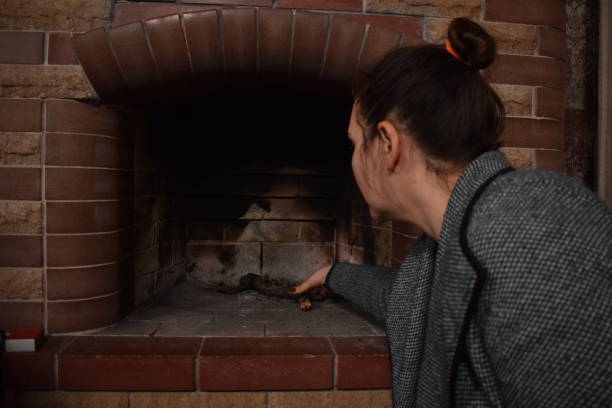
A fireplace can make a home feel warm and comfortable, especially when temperatures drop in Colorado. However, if you light your fireplace after several months of disuse and notice a burning dust smell, you may wonder whether something is wrong. In many cases, the odor comes from dust, pet hair, and other particles that have settled on fireplace components during the warmer months. When these materials heat up, they can produce a noticeable smell.
Although a mild dusty odor may disappear after a short period of use, persistent, strong, or unusual smells should not be ignored. Problems with the chimney, fireplace components, or ventilation can also contribute to unpleasant odors and may require professional attention.
Knowing what to inspect before using your fireplace can help you identify potential concerns and prepare your home for the colder season. Homeowners in Englewood and surrounding Colorado communities can also benefit from regular fireplace inspections and maintenance before the first fire of the season.
Why Does a Fireplace Smell Like Burning Dust?
When a fireplace remains unused for months, dust and airborne particles naturally collect on its surfaces. These particles may settle on the firebox, fireplace glass, logs, grates, vents, and other components. Once the fireplace heats up, the accumulated dust can release a temporary burning smell.
The odor is often more noticeable during the first use of the season because the fireplace has had plenty of time to collect household dust and debris. Pet hair, lint, and other airborne materials can contribute to the smell as well.
However, not every fireplace odor is harmless. A blocked chimney, creosote buildup, moisture, damaged components, or an issue with a gas fireplace can produce smells that require further investigation.
If the odor continues after the fireplace has warmed up or returns every time you use it, consider arranging a professional inspection rather than assuming dust is the only cause.
1. Check for Dust and Debris Around the Firebox
The firebox is one of the first places to inspect when a fireplace smells like burning dust. During months of inactivity, dust can settle on the hearth, grate, decorative surfaces, and accessible parts of the fireplace opening.
Before cleaning, make sure the fireplace is completely cool. Remove loose, accessible dust and debris using appropriate cleaning tools. Follow the manufacturer’s instructions for cleaning the fireplace, especially if it has glass panels, special liners, or delicate components.
For a wood-burning fireplace, avoid disturbing ash or soot unnecessarily. Ash can contain fine particles that become airborne and spread throughout your home. Never vacuum warm ash or use an ordinary household vacuum for fireplace ash.
If you have a gas fireplace, do not remove burner assemblies, logs, or other internal components unless the manufacturer’s instructions specifically allow it. Gas fireplace systems may require specialized cleaning and servicing.
Cleaning accessible surfaces can reduce ordinary dust odors, but it will not resolve chimney blockages, creosote accumulation, or mechanical problems.
2. Inspect the Chimney for Blockages
A chimney plays an important role in carrying smoke and combustion gases safely outside your home. When a fireplace has been unused for several months, the chimney may accumulate leaves, twigs, nesting materials, or other debris.
Birds and other animals may also enter an inadequately protected chimney and build nests. These obstructions can restrict airflow and interfere with proper venting when the fireplace is used.
A blocked chimney may contribute to smoky smells, poor draft, and smoke entering the living area. Depending on the situation, it can also create a serious safety hazard.
Look for obvious signs of a problem, such as debris around the fireplace opening or a persistent smoky odor. However, a visual check from inside the room cannot confirm that the entire chimney is clear.
A professional chimney inspection can identify obstructions, damage, and ventilation concerns before the fireplace is used regularly. If you suspect a blockage, avoid lighting a fire until the chimney has been checked.
3. Look for Creosote and Soot Buildup
Creosote is a combustible deposit that forms inside wood-burning chimneys as smoke and combustion byproducts cool. It can accumulate over time, particularly when wood burns inefficiently or the chimney does not operate under suitable conditions.
Unlike ordinary household dust, creosote is not simply a harmless seasonal residue. Excessive buildup can increase the risk of a chimney fire and may contribute to strong, smoky, or tar-like odors.
You may notice black deposits around accessible parts of the fireplace, but the most significant accumulation can occur farther inside the chimney, where it is difficult to see from the room.
Do not rely on a quick look into the firebox to determine whether the chimney is safe. A qualified professional can assess the condition of the flue and recommend cleaning when necessary.
If your fireplace has not been used or inspected for a long time, arranging a chimney inspection before the heating season is a sensible precaution.
4. Check the Damper and Airflow
The damper controls airflow through many traditional fireplaces. When the fireplace is not in use, a closed damper helps limit the movement of outside air into the home. Before a wood fire is lit, the damper must be open and functioning correctly.
A damper that is stuck, damaged, or obstructed can interfere with proper ventilation. It may also allow chimney odors to enter the living area when the fireplace is not being used.
Before lighting a fire, check the damper according to your fireplace’s instructions. Make sure it can move properly and that there are no obvious obstructions.
If smoke has previously entered the room, the fireplace has poor draft, or the damper does not operate as expected, arrange a professional assessment. Do not attempt to force a stuck mechanism or use the fireplace when proper venting cannot be confirmed.
For gas fireplaces, follow the manufacturer’s operating instructions and have venting components checked by a qualified technician when needed.
5. Examine the Fireplace for Moisture and Mold-Related Odors
Sometimes, what seems like a burning dust smell is actually an odor caused by moisture or material inside the chimney. During warm or humid weather, damp air can carry unpleasant smells into the home through the fireplace opening.
Water may enter a chimney through damaged flashing, a deteriorated crown, cracked masonry, or an improperly functioning chimney cap. Moisture can affect masonry, metal components, and accumulated deposits, creating musty or stale odors.
Look for visible water stains, damp patches, deteriorating masonry, or signs of leaks near the fireplace and chimney. A persistent musty smell may indicate a moisture issue rather than ordinary dust.
For additional information, read Why Does My Chimney Smell in Summer? Causes and Prevention. This related article explores why chimney odors may become more noticeable during warmer months and what homeowners can do to help prevent them.
Addressing the underlying source of moisture is important. Cleaning alone may not solve the problem if water continues to enter the chimney.
6. Check Gas Fireplace Components
Gas fireplaces can also produce odors after extended periods of disuse. Dust may accumulate on accessible surfaces, while other smells may indicate a problem with the burner, pilot assembly, venting system, or another component.
Follow the manufacturer’s instructions for cleaning and restarting the appliance. Do not dismantle gas components or attempt repairs unless you are qualified to do so.
A brief dusty smell may occur when accumulated particles heat up, but persistent burning, electrical, chemical, or unusual odors deserve attention. If you notice a rotten-egg smell or suspect a gas leak, do not light the fireplace, operate electrical switches, or use an open flame. Leave the building and contact your gas utility or emergency services from a safe location.
If a gas fireplace repeatedly produces unusual odors, have it assessed by a qualified fireplace technician before using it again.
7. Check the Fireplace Glass, Logs, and Surrounding Materials
Dust can settle on fireplace glass, decorative logs, grates, and nearby surfaces during the off-season. When heated, these materials may release odors that resemble burning dust.
For wood-burning fireplaces, inspect the grate and firebox for loose debris and visible damage. For gas fireplaces, decorative logs are often designed for a specific burner arrangement. Moving them without following the manufacturer’s instructions can interfere with safe operation.
Also check the surrounding area for items that may be too close to the heat source, including decorations, packaging, furniture, and household fabrics.
Clean only the components that the manufacturer identifies as safe for homeowner maintenance. If you see cracked glass, damaged refractory panels, loose components, or signs of overheating, do not use the fireplace until it has been evaluated.
8. Know When to Call for Fireplace Repair
A mild dusty odor that fades quickly may be associated with normal seasonal use. However, certain warning signs indicate that a professional assessment is needed.
Contact a qualified professional if you notice:
- A burning smell that remains strong or continues after the fireplace has been used.
- Smoke entering the room instead of moving up the chimney.
- Visible damage to the firebox, chimney, damper, or fireplace components.
- Persistent smoky, tar-like, or musty odors.
- Poor draft or suspected chimney blockage.
- Unusual noises or repeated problems when operating a gas fireplace.
If you suspect a chimney fire, see flames or sparks coming from the chimney, or hear a loud roaring sound from the flue, evacuate the home and call emergency services. Do not pour water into the fireplace or attempt to investigate the chimney yourself.
For problems involving damaged components, poor operation, or persistent odors, professional Fireplace Repair can help identify the underlying cause and determine the appropriate solution.
9. Schedule a Fireplace and Chimney Inspection Before Winter
Preventive maintenance can help homeowners identify problems before the fireplace is needed regularly. A professional inspection may include evaluating the firebox, chimney flue, damper, visible masonry, venting arrangements, and other relevant components.
The appropriate inspection and cleaning requirements depend on the fireplace type, how frequently it is used, and its overall condition. For wood-burning fireplaces, the National Fire Protection Association recommends having chimneys, fireplaces, and vents inspected at least once a year and cleaned when necessary.
It is especially helpful to schedule an inspection if the fireplace has remained unused for an extended period, has not been maintained recently, or showed signs of poor performance during the previous heating season.
Homeowners in Englewood can explore local service information through the Englewood service area page. A local professional can help assess fireplace concerns and recommend maintenance suited to the home’s system.
How to Prevent Burning Dust Smells in the Future
A few regular maintenance habits can reduce unpleasant odors and help keep your fireplace in better condition.
First, clean accessible fireplace surfaces before the heating season, following the manufacturer’s instructions. Keep the hearth and surrounding area free of dust, pet hair, and combustible materials.
Second, address chimney moisture promptly. Check for signs of leaks and have damaged chimney caps, flashing, or masonry assessed when needed.
Third, arrange routine inspections instead of waiting until an odor or performance problem develops. Regular maintenance can identify creosote buildup, obstructions, deteriorating components, and ventilation issues.
Finally, follow the operating and maintenance instructions for your specific fireplace. Wood-burning and gas systems have different cleaning requirements, so the same approach should not be used for both.
These steps can help reduce avoidable problems, although no cleaning routine can replace a professional inspection when safety concerns arise.
Conclusion
A fireplace that smells like burning dust after months of disuse may simply have accumulated dust and debris during the warmer season. However, persistent odors can also point to creosote buildup, chimney obstructions, moisture intrusion, poor airflow, or problems with fireplace components.
Before lighting the first fire of the season, clean accessible surfaces safely, check for visible signs of damage, and confirm that the fireplace can vent properly. If the smell persists, smoke enters the room, or you suspect a mechanical or chimney problem, stop using the fireplace until it has been assessed.
For homeowners in Englewood and nearby Colorado communities, regular fireplace maintenance and timely repairs can help support safer, more comfortable use throughout the colder months. Taking care of these concerns before winter arrives can help you enjoy your fireplace with greater confidence.