
Professional CTET, CLAT and CUET Exam Preparation in Rohini – BST Competitive Classes
Preparing for competitive entrance and eligibility examinations requires proper guidance, a well-planned study schedule, regular practice, and a clear understanding of the examination pattern. Whether students are preparing for the Central Teacher Eligibility Test (CTET), Common Law Admission Test (CLAT), or Common University Entrance Test (CUET), choosing the right coaching support can make their preparation more organised and focused. With increasing competition in education and professional career opportunities, students need to develop strong subject knowledge, improve problem-solving abilities, and practise answering questions within the given time.
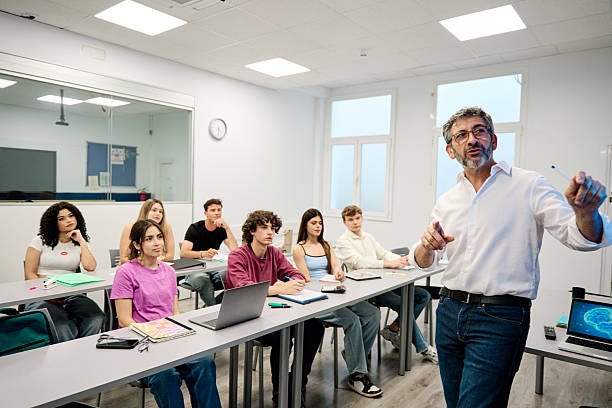
BST Competitive Classes supports students preparing for different competitive examinations. For aspirants searching for CTET coaching in Rohini, CLAT coaching in Rohini, or CUET coaching in Rohini, understanding the preparation requirements of each examination is an important first step. A structured learning approach can help students identify their strengths, work on weaker areas, and prepare with greater confidence.
1. CTET Coaching in Rohini for Aspiring Teachers
The Central Teacher Eligibility Test (CTET) is an important examination for candidates who want to pursue teaching opportunities in schools. Conducted by the Central Board of Secondary Education (CBSE), CTET assesses the knowledge and teaching-related understanding of candidates seeking eligibility for teaching positions at the primary and elementary levels.
Students preparing for CTET need to understand educational concepts, child development, teaching methods, and subject-specific topics. Proper preparation involves both theoretical learning and regular practice.
1.1 Important Subjects Covered in CTET Preparation
CTET preparation generally focuses on the following areas:
- Child Development and Pedagogy: Understanding child development, learning processes, educational psychology, and teaching approaches.
- Language I: Developing reading comprehension, language understanding, and pedagogical knowledge.
- Language II: Improving language skills, comprehension, and teaching-related concepts.
- Mathematics: Practising numerical concepts, calculations, problem-solving, and mathematics pedagogy.
- Environmental Studies: Understanding environmental concepts, everyday applications, and teaching methodologies.
- Science and Social Studies: Preparing subject-specific topics according to the selected paper and level.
1.2 Why Choose Structured CTET Coaching?
Preparing independently can sometimes become challenging because of the wide syllabus and different types of questions. Coaching can help candidates follow a systematic preparation plan.
- Concept-Based Learning: Understand important topics instead of depending only on memorisation.
- Regular Practice: Solve questions to improve accuracy and familiarity with the examination pattern.
- Doubt Clarification: Work on difficult concepts and improve subject understanding.
- Time Management: Practise completing questions within the examination time limit.
- Revision Planning: Revisit important topics and strengthen previously covered concepts.
Students looking for CTET coaching in Rohini should focus on developing a strong understanding of pedagogy and subject knowledge while maintaining a consistent practice routine.
2. CLAT Coaching in Rohini for Law Aspirants
The Common Law Admission Test (CLAT) is a national-level entrance examination for students seeking admission to undergraduate and postgraduate law programmes at participating National Law Universities. For students interested in pursuing a career in law, CLAT is an important step towards entering the legal education system.
The examination evaluates reading comprehension, logical reasoning, legal aptitude, general awareness, and quantitative techniques. Aspirants need to develop analytical thinking, improve reading speed, and understand how to approach different question types.
2.1 Major Areas of CLAT Preparation
Students preparing for the undergraduate CLAT examination generally focus on these sections:
- English Language: Reading comprehension, vocabulary in context, interpretation, and understanding written passages.
- Current Affairs and General Knowledge: Important national and international developments, general awareness, and relevant events.
- Legal Reasoning: Understanding legal principles, applying information to given situations, and developing logical interpretation skills.
- Logical Reasoning: Identifying arguments, analysing statements, understanding relationships, and solving reasoning-based questions.
- Quantitative Techniques: Working with numerical information, basic mathematical concepts, data interpretation, and calculations.
2.2 Benefits of CLAT Coaching
CLAT preparation requires regular reading, analytical practice, and a clear understanding of the examination format. A structured coaching approach can help students organise their preparation more effectively.
- Improved Reading Skills: Practise understanding passages and identifying important information.
- Logical Thinking: Develop the ability to analyse arguments and evaluate different situations.
- Legal Reasoning Practice: Learn how to interpret principles and apply them to questions.
- Current Affairs Preparation: Build awareness of important events and developments.
- Mock Test Practice: Become familiar with the examination format and improve time management.
- Performance Evaluation: Identify areas that need additional attention through regular practice.
For students searching for CLAT coaching in Rohini, consistent preparation and analytical skill development are essential. Building a daily reading habit and solving practice questions can also contribute to better examination readiness.
3. CUET Coaching in Rohini for University Entrance Preparation
The Common University Entrance Test (CUET) provides students with an entrance examination pathway for admission to participating universities and institutions. It is an important examination for students who want to pursue undergraduate programmes in different academic fields.
CUET preparation requires candidates to understand the examination structure, select relevant subjects, and practise questions according to their chosen course and university requirements. Since subject combinations and admission criteria may vary, students should carefully review the latest official examination information.
3.1 Important Areas of CUET Preparation
CUET preparation can involve multiple sections depending on the examination structure and the candidate’s selected subjects.
- Language Test: Focuses on reading comprehension, vocabulary, grammar, and language proficiency.
- Domain Subjects: Covers subjects selected according to the candidate’s academic interests and university requirements.
- General Aptitude Test: May include general knowledge, current affairs, logical reasoning, numerical ability, and analytical skills, depending on the applicable examination pattern.
3.2 How Coaching Supports CUET Aspirants
Students often need guidance to manage multiple subjects and complete the syllabus within a planned schedule. Coaching can provide a structured approach to learning and revision.
- Syllabus Understanding: Identify important topics and organise preparation according to the selected subjects.
- Subject-Wise Practice: Work on individual subjects and improve conceptual understanding.
- Regular Assessments: Evaluate preparation through practice questions and tests.
- Revision Sessions: Strengthen important concepts and revisit challenging topics.
- Exam-Oriented Preparation: Develop familiarity with different question formats and time restrictions.
Students looking for CUET coaching in Rohini can benefit from a disciplined study routine that combines subject preparation, practice, and regular revision.
4. Why Choose BST Competitive Classes?
Choosing an appropriate coaching institute is an important decision for students preparing for competitive examinations. A suitable learning environment can help candidates remain focused, understand difficult concepts, and follow a consistent preparation schedule.
BST Competitive Classes is relevant for students exploring coaching options for examinations such as CTET, CLAT, and CUET. Aspirants should consider their academic goals, preparation requirements, and preferred learning approach when selecting a coaching programme.
Some important factors to consider include:
- Structured Study Approach: A planned learning schedule helps students organise topics and manage their preparation.
- Conceptual Understanding: Developing a clear understanding of subjects is important for answering application-based questions.
- Practice-Oriented Learning: Regular question-solving helps candidates become familiar with different examination formats.
- Doubt Resolution: Discussing challenging topics can improve understanding and reduce confusion.
- Revision Support: Revisiting important topics helps students retain information and strengthen preparation.
- Exam Awareness: Understanding the latest examination pattern and syllabus helps candidates prepare in the right direction.
Students should also confirm the current course details, batch schedules, faculty information, and available study resources directly with the institute.
5. Effective Preparation Tips for CTET, CLAT and CUET
Although CTET, CLAT, and CUET have different objectives and examination patterns, all three require discipline, consistency, and proper planning. Following a realistic study routine can help students use their preparation time effectively.
5.1 Understand the Examination Pattern
Begin by reviewing the latest official syllabus, eligibility requirements, examination structure, and marking scheme. This helps students understand what to study and how to organise their preparation.
5.2 Prepare a Realistic Timetable
Divide the syllabus into smaller sections and assign dedicated study time to each subject. Include time for learning new concepts, practising questions, and revising completed topics.
5.3 Practise Previous-Year Questions
Previous-year papers can help students understand question formats, commonly tested concepts, and examination difficulty. They also provide an opportunity to assess preparation levels.
5.4 Take Regular Mock Tests
Mock tests help candidates practise under examination-like conditions. After each test, review incorrect answers, identify weak areas, and work on improving accuracy and speed.
5.5 Focus on Revision
Regular revision is essential for retaining information. Prepare short notes, revise important concepts, and practise questions from previously completed chapters.
5.6 Improve Time Management
Competitive examinations often require candidates to answer multiple questions within a limited period. Practising timed tests can help students distribute their time effectively and avoid spending too long on individual questions.
6. Who Should Consider CTET, CLAT and CUET Coaching?
Each examination is designed for a different academic or professional objective. Understanding which examination matches your goals is important before joining a coaching programme.
- CTET Aspirants: Candidates interested in qualifying for teaching eligibility requirements should focus on pedagogy, child development, and subject knowledge.
- CLAT Aspirants: Students interested in legal education should develop reading comprehension, legal reasoning, logical thinking, and general awareness.
- CUET Aspirants: Students planning to pursue higher education through participating universities should prepare according to their selected subjects and admission requirements.
Identifying your academic direction early can help you select the appropriate preparation strategy and use your study time productively.
7. Frequently Asked Questions
Q1. Which subjects are important for CTET preparation?
CTET preparation includes Child Development and Pedagogy, languages, and subject-specific areas such as Mathematics, Environmental Studies, Science, and Social Studies, depending on the selected paper.
Q2. Is CLAT preparation suitable for students interested in law?
Yes. CLAT is an important entrance examination for admission to participating National Law Universities. Preparation focuses on reading comprehension, legal reasoning, logical reasoning, general knowledge, and quantitative techniques.
Q3. What should students study for CUET?
Students should prepare for the language, domain-subject, and general aptitude sections applicable to their chosen examination combination and university requirements.
Q4. How can coaching help in competitive examination preparation?
Coaching can provide structured learning, subject guidance, practice opportunities, revision planning, and support in understanding challenging concepts.
Q5. How early should students start preparing?
Starting early gives students more time to understand the syllabus, practise questions, revise concepts, and identify areas that need improvement. The ideal preparation period depends on the student’s current knowledge and examination goals.
Conclusion
Preparing for CTET, CLAT, and CUET requires a clear understanding of the examination pattern, subject knowledge, regular practice, and consistent revision. Each examination offers a different academic opportunity, making it important for students to select the right preparation strategy according to their future goals.
BST Competitive Classes is an option for students exploring CTET coaching in Rohini, CLAT coaching in Rohini, and CUET coaching in Rohini. With a focused study routine and the right preparation approach, aspirants can work towards strengthening their knowledge, improving problem-solving abilities, and becoming better prepared for their competitive examinations.