
What to Know Before Solar Electricity Installation?
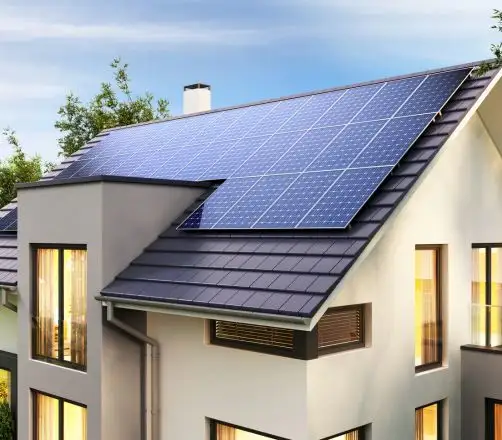
Switching to solar power can be a practical step for homeowners and businesses looking to generate renewable electricity. However, solar electricity installation involves more than placing panels on a roof. Property owners need to consider energy consumption, roof condition, sunlight exposure, system size, equipment and professional installation before making a decision.
Understanding these factors can help you choose a solar system that suits your property and everyday electricity requirements.
Understand Your Electricity Usage
Before selecting a solar system, review how much electricity your property uses. Your electricity bills can provide useful information about your typical energy consumption.
Consider when you use the most electricity during the day. Appliances such as air conditioners, water heaters, washing machines and other equipment can affect your overall consumption.
Understanding your usage can help a solar professional estimate the system size that may suit your requirements. A system that is too small may not meet your expected energy needs, while a larger system may require more upfront investment.
Check Your Roof Condition
The roof plays an important role in a solar installation. Before installing panels, check whether the roof is structurally suitable and in reasonable condition.
If your roof requires major repairs or replacement, it may be practical to address those issues before installing solar panels. This can help avoid the need to remove and reinstall the panels later.
The available roof area also affects how many panels can be installed. A professional assessment can help determine whether your roof provides enough suitable space for the proposed system.
Consider Sunlight and Shading
Solar panels need sunlight to generate electricity effectively. The amount of sunlight available at your property can vary depending on roof orientation, nearby buildings, trees and other structures.
Shading during different parts of the day can reduce the amount of electricity generated by affected panels. A solar installer can assess the property and identify areas that receive suitable sunlight.
This assessment can help determine where panels should be positioned for better use of the available solar resource.
Choose Suitable Solar Equipment
A solar system includes more than just panels. Depending on the setup, it may include an inverter, mounting equipment, electrical components and monitoring technology.
The inverter plays an important role by converting the electricity generated by solar panels into a form that can be used by household or business electrical systems.
When comparing systems, consider the equipment specifications, warranty information, expected performance and compatibility with your property’s requirements. A qualified professional can explain the differences between available options.
Understand Solar Services Canberra
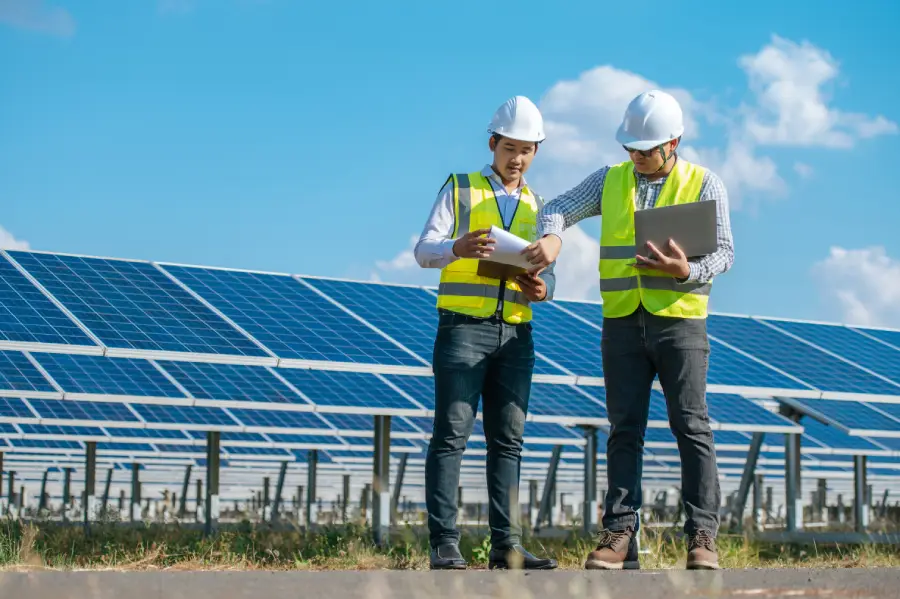
When searching for solar services Canberra, look for providers who can assess your property and explain the installation process clearly.
Professional services may include site assessment, system design, equipment selection, installation, electrical work, testing and system handover. Depending on the provider, ongoing maintenance and support may also be available.
Ask what is included in the quoted service and whether installation is completed by appropriately qualified professionals. Clear communication at the beginning can help avoid confusion later.
Think About Your Budget
The cost of a solar installation depends on several factors, including system size, equipment, roof design, installation requirements and additional electrical work.
Instead of focusing only on the initial price, consider what the quotation includes. Check whether it covers installation, electrical connections, monitoring equipment, warranties and any other required components.
You should also ask about any available rebates or incentives that may apply to your property. Eligibility and conditions can change, so confirm current information with the relevant government authority or your solar provider.
Consider Battery Storage
Some property owners may consider adding a battery to their solar system. Batteries can store surplus solar electricity for later use, depending on the system configuration.
Battery storage can be useful for properties that consume more electricity in the evening or want to use more of their generated solar power after sunset.
However, batteries add to the overall system cost and may not be necessary for every property. Discuss your electricity usage and goals with a qualified solar professional before deciding whether battery storage suits your needs.
Check Installation and Electrical Requirements
Solar installation involves electrical work, so safety should remain a priority. The system needs to be installed according to applicable electrical requirements and relevant standards.
A qualified installer can manage the electrical connections, panel mounting and system testing. They can also explain how the system operates and what you should know about monitoring and maintenance.
Do not attempt electrical installation work yourself unless you have the required qualifications and authorisation.
Plan for Long-Term Maintenance
Solar panels generally require limited routine maintenance, but keeping the system in good condition can support ongoing performance.
Dust, leaves and other debris may accumulate on panels, particularly in certain environments. Regular visual checks can help identify obvious issues, while professional servicing may be useful if the system develops a problem.
Monitoring systems can also help identify changes in electricity generation that may require further investigation.
Conclusion
A successful solar electricity installation starts with proper planning. Assess your electricity usage, roof condition, sunlight exposure, equipment options, budget and future energy needs before selecting a system. Professional installation can also help ensure that the system is safely installed and suited to your property.
For property owners looking for professional solar services Canberra, Woden Valley Solar and Electrical can help with solar and electrical requirements. Discuss your property, energy usage and installation goals with a qualified professional to determine a suitable solution.
Frequently Asked Questions
1. How do I know what size solar system I need?
System size depends on factors such as your electricity consumption, available roof space, sunlight exposure and energy goals. A professional assessment can help determine a suitable system size.
2. Does roof direction affect solar panel performance?
Yes. Roof orientation can affect how much sunlight panels receive. Shading, roof angle and nearby structures can also influence solar generation.
3. Do I need a battery with my solar system?
Not necessarily. A battery may be useful for some properties, particularly those that use more electricity when solar generation is low. Your energy usage should be considered before adding storage.
4. How long does solar installation take?
The installation time depends on system size, roof design, electrical requirements and site conditions. Your installer can provide a more accurate timeframe after assessing the property.
5. Should I choose professional solar installation?
Yes. Solar installation involves electrical work and specialised equipment. Using appropriately qualified professionals can help ensure the system is installed safely and according to applicable requirements.