
Best PicoSure Laser Treatment Clinics in Dubai: A Patient Guide
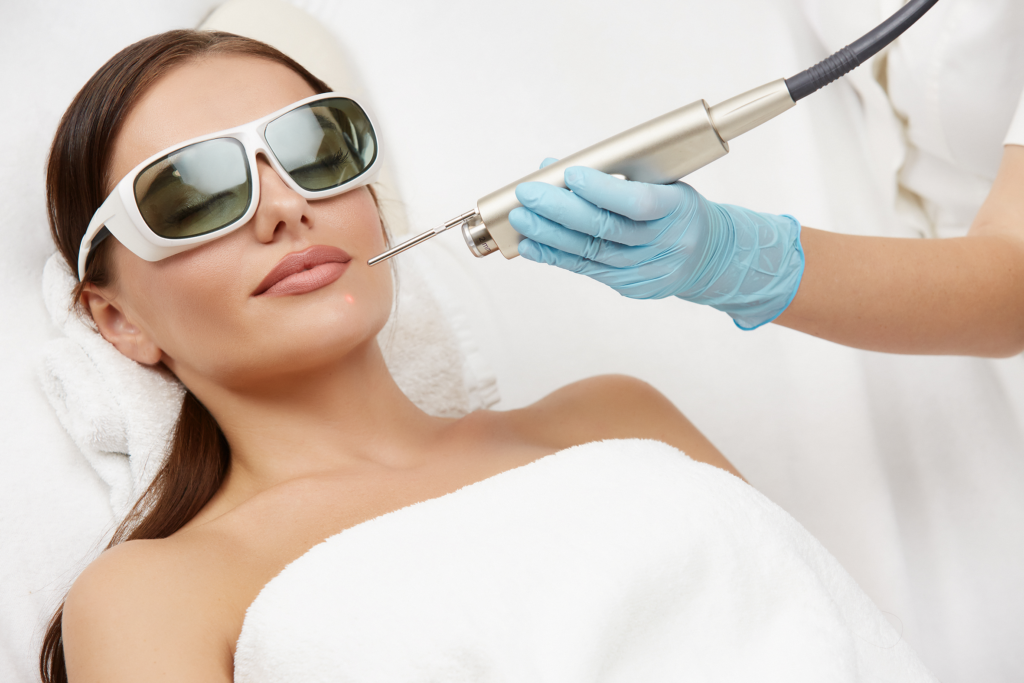
Choosing a suitable clinic for laser skin treatment involves more than comparing services. Patients need to understand the technology being used, the experience of the treating professional, the clinic’s safety protocols, and whether the procedure is appropriate for their skin concerns. PicoSure laser technology is widely discussed in aesthetic dermatology because of its ultrashort laser pulses, which target selected pigment concerns while supporting a range of skin-rejuvenation treatments.
PicoSure Laser Treatment in Dubai may be considered by individuals concerned about pigmentation, sun spots, certain types of acne scarring, uneven skin tone, and unwanted tattoos. However, its suitability depends on the specific condition, skin type, medical history, and treatment goals. Not every pigmentation concern responds in the same way, and some conditions require a different approach.
Dubai has a diverse aesthetic healthcare sector, with clinics offering laser-based procedures and personalised skin consultations. Tajmeels Clinic, Dynamic Life Clinic, and Enfield Royal Clinic are among the providers patients may wish to investigate when researching available options. Rather than assuming that one clinic is automatically better than another, prospective patients should assess practitioner qualifications, the availability of appropriate technology, consultation standards, and the clarity of treatment recommendations.
This guide explores what patients should consider when evaluating these clinics, how PicoSure technology works, and which questions to ask before proceeding. The aim is to support informed decision-making rather than provide an unsupported ranking or guarantee particular treatment outcomes.
Dynamic Life Clinic
Dynamic Life Clinic is one option patients may investigate when exploring aesthetic treatments in Dubai. Before choosing the clinic for a laser procedure, prospective patients should confirm whether PicoSure technology is currently available and whether the clinic offers treatment for their particular skin concern.
For individuals considering PicoSure Laser Treatment, the initial consultation should establish the nature of the pigmentation, scarring, or other concern being addressed. A qualified practitioner can assess whether a picosecond laser is appropriate or whether another treatment may provide a more suitable approach.
Patients should also ask about the professional responsible for performing the procedure, the laser device being used, and the clinic’s protocols for different skin types. Understanding the expected number of sessions, potential downtime, and possible complications can help patients make a more informed decision.
It is equally important to establish how progress will be assessed and whether follow-up appointments are included in the treatment plan. Confirming these details directly with Dynamic Life Clinic helps ensure that the services currently offered match the patient’s expectations.
Enfield Royal Clinic
Enfield Royal Clinic is another clinic patients may consider when researching aesthetic treatments in Dubai. Prospective patients should enquire directly about the availability of PicoSure technology, the qualifications of the treating professional, and the suitability of the procedure for their individual concerns.
A personalised consultation is particularly important for patients considering PicoSure Laser Treatment for pigmentation, uneven skin tone, acne-related marks, or tattoo removal. Different concerns may require different laser settings and treatment strategies, so an assessment should take into account skin characteristics, the depth and type of pigmentation, previous procedures, and the possibility of post-inflammatory hyperpigmentation.
Patients should ask whether the proposed treatment uses an authentic PicoSure device or another picosecond laser system. Although these technologies may share certain characteristics, they are not necessarily identical. Clear information about the device and its intended applications can help patients understand the proposed treatment.
The clinic should also explain the expected treatment course, potential limitations, possible adverse reactions, and the circumstances in which another procedure might be preferable. Patients benefit from realistic guidance rather than promises of complete pigment removal or flawless skin.
Before making an appointment, prospective patients should verify current service availability, the treating professional’s credentials, and the clinic’s approach to consultation and follow-up care. These practical checks help establish whether the clinic is an appropriate option for their needs.
Tajmeels Clinic
Tajmeels Clinic is another provider patients can research when exploring aesthetic services in Dubai. Anyone considering laser treatment should confirm whether the clinic currently offers PicoSure specifically, rather than assuming that all picosecond laser procedures use the same device.
A thorough assessment should identify the underlying skin concern before treatment is recommended. For example, sun-related pigmentation, melasma, post-inflammatory pigmentation, and certain types of acne scarring may require different management strategies. Laser treatment is not suitable for every condition, and some forms of pigmentation can worsen if treated inappropriately.
Patients researching PicoSure Laser Treatment should ask how the practitioner determines the appropriate laser settings, whether a test spot is advisable, and how treatment response will be monitored. These questions are especially relevant for individuals with darker skin tones or a history of pigmentation following skin irritation.
It is also useful to discuss the anticipated number of sessions, the time between appointments, and the possibility of temporary redness, swelling, or changes in pigmentation. Patients should receive clear instructions about sun protection and any necessary precautions before and after the procedure.
By confirming the clinic’s current equipment, practitioner experience, and consultation process, prospective patients can determine whether Tajmeels Clinic meets their expectations for a carefully planned laser procedure.
How to Choose the Right Clinic for PicoSure Laser Treatment
Experience and Qualifications
The professional performing the procedure should have appropriate qualifications and experience in laser dermatology or aesthetic medicine. Patients should ask about the practitioner’s experience treating their particular concern and skin type, rather than relying solely on the clinic’s general reputation.
A suitable provider should be able to explain why the proposed laser is appropriate, what alternatives exist, and which outcomes are realistic. A recommendation should follow an assessment rather than a sales-focused consultation.
Technology and Techniques
PicoSure is a picosecond laser platform designed to deliver extremely short pulses of laser energy. Depending on the device configuration and application, this energy can target selected pigment particles and stimulate a controlled response in the skin.
Patients should verify the exact device available at the clinic. The terms “picosecond laser” and “PicoSure” should not automatically be treated as interchangeable because different devices can have different specifications and approved applications.
Ask whether the technology is suitable for the intended concern and whether the practitioner has experience using it for similar cases. The choice of wavelength, settings, and treatment approach should be based on the clinical assessment.
Safety Standards
Safety should be a central consideration when selecting a laser clinic. The provider should assess skin type, medical history, current medications, previous cosmetic procedures, and any history of abnormal pigmentation or scarring.
Protective eyewear appropriate to the laser must be used during treatment. The clinic should also follow suitable equipment-maintenance, hygiene, and laser-safety procedures.
Potential complications can include temporary redness, swelling, discomfort, blistering, scarring, and lightening or darkening of the treated skin. The likelihood of these outcomes depends on the treatment, the patient’s characteristics, and the practitioner’s technique. Patients should receive a clear explanation of relevant risks before consenting.
Consultation Process
A good consultation should provide enough time to discuss concerns and establish realistic goals. The practitioner should examine the affected area, explain the proposed treatment, and determine whether the patient is an appropriate candidate.
Patients should ask about the estimated number of sessions, the interval between appointments, possible alternatives, and the expected recovery period. They should also understand whether results may be partial and whether maintenance treatments could be necessary.
For complex pigmentation, particularly suspected melasma, a clinician may recommend a different treatment strategy because laser procedures do not suit every case and can sometimes aggravate pigmentation.
Patient Experience and Follow-Up
Clear communication before, during, and after treatment is an important part of the patient experience. The clinic should explain what the procedure involves, how discomfort is managed, and whom to contact if unexpected symptoms develop.
Patients can also ask whether progress photographs are used consistently, how treatment response is evaluated, and whether follow-up consultations are available. Reviews may provide insight into communication and service, but individual testimonials do not establish clinical effectiveness or guarantee a similar result.
Expected Results
Results vary according to the condition being treated, the type and depth of pigment, the laser settings, and individual skin characteristics. Some patients may notice improvement after an initial session, while others need multiple treatments or a different approach altogether.
Tattoo removal often requires several sessions, and complete removal cannot be guaranteed. Pigmentation and acne scarring may also respond unevenly. Certain conditions, including melasma, can recur even after improvement.
Patients should discuss realistic expectations before beginning treatment and understand that the goal may be improvement rather than complete elimination of every mark or irregularity.
Frequently Asked Questions
What is PicoSure Laser Treatment used for?
PicoSure is a picosecond laser platform used for selected applications, including certain pigmented lesions, tattoo removal, and some skin-rejuvenation concerns. The appropriate application depends on the device configuration and clinical assessment. Not all skin conditions are suitable for this technology.
Is PicoSure suitable for all skin types?
Suitability depends on the individual’s skin tone, condition, medical history, and the treatment settings used. People with darker skin tones may have a greater risk of post-inflammatory hyperpigmentation with certain laser procedures. An experienced practitioner should assess these risks before recommending treatment.
How many PicoSure sessions are usually required?
The number of sessions varies according to the concern being treated, its severity, and the individual’s response. Tattoo removal may require multiple appointments, while some pigment concerns may respond differently. A practitioner should provide an individualised treatment plan after examining the affected area.
Is PicoSure Laser Treatment painful?
Patients may experience brief snapping sensations, warmth, or discomfort during the procedure. The degree of discomfort varies according to the treatment area, laser settings, and individual sensitivity. The clinic should explain available comfort measures and what sensations to expect.
How can patients choose between PicoSure clinics in Dubai?
Patients should verify the exact laser device, practitioner qualifications, experience with their skin concern, safety protocols, and availability of follow-up care. They should also compare the clarity of consultations and the realism of proposed outcomes. Confirming current service availability directly with each clinic is essential before booking.
Conclusion
Selecting a suitable laser clinic requires careful consideration of technology, professional expertise, safety, and the treatment plan proposed for an individual’s skin concerns. Dynamic Life Clinic, Enfield Royal Clinic, and Tajmeels Clinic are options patients may research, but their current equipment, services, and practitioner credentials should be verified directly rather than assumed.
Before committing to PicoSure Laser Treatment, patients should obtain a personalised assessment, confirm the specific device being used, and discuss expected results, possible complications, and alternative approaches. A responsible clinic will explain both the potential benefits and the limitations of treatment.
Ultimately, the most appropriate provider is one that prioritises clinical suitability, informed consent, transparent communication, and realistic expectations over promotional claims. Taking time to evaluate these factors can help patients make a more confident and informed decision about laser treatment in Dubai.