
Choosing a Rolls-Royce Garage in the UAE Without Guesswork
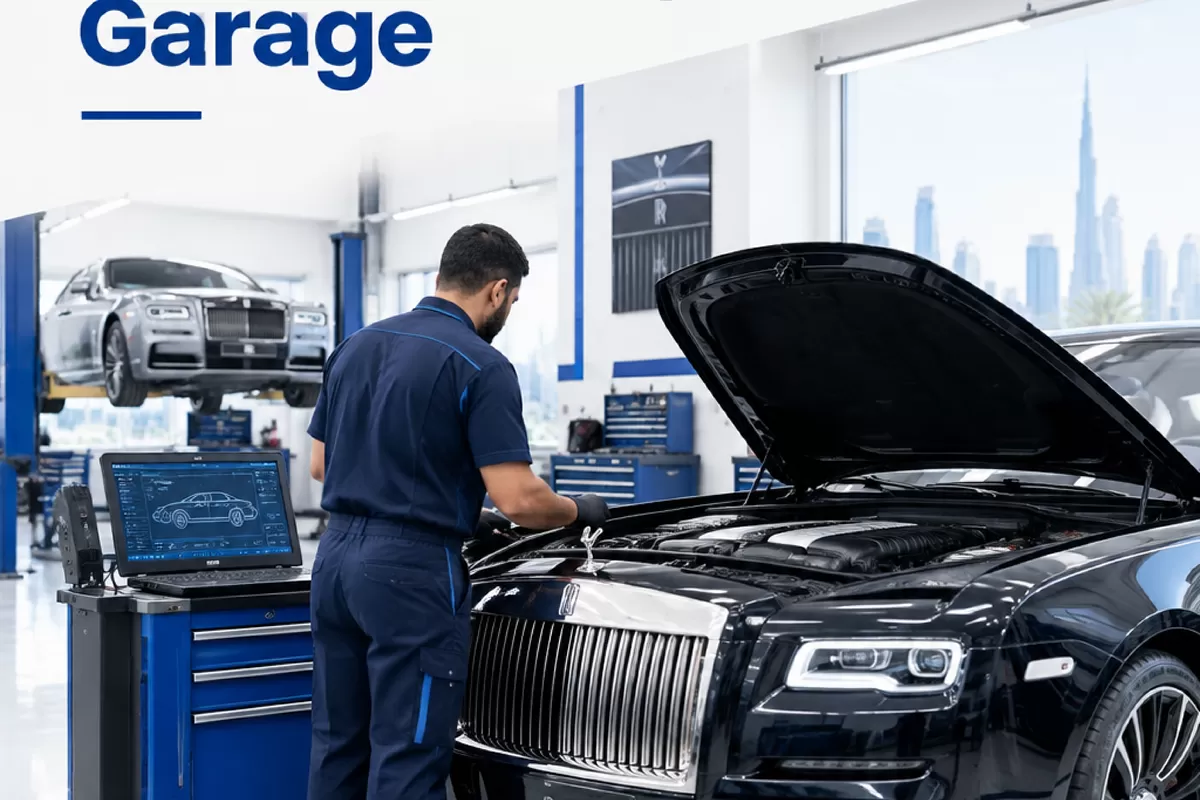 Choosing a Rolls-Royce garage in the United Arab Emirates is not just a matter of finding a workshop with a convenient appointment. You need to know whether its team can investigate the fault, explain what it finds and carry out the work your car needs. A vague promise to “take a look” does not tell you what the diagnostic process involves or what might happen next.
Before booking, prepare a clear description of the problem and ask specific questions about diagnostics, mechanical and electrical repairs, and how proposed work will be agreed. These checks can help you compare workshops in Sharjah and Dubai on the service they actually offer, rather than on general claims alone.
Start with the fault, not a guessed repair
Give the garage the information you have, but distinguish what you have observed from what you think is causing it. For example, say that a warning light appeared after starting the car, or that you hear a particular noise when braking. Avoid presenting a suspected part failure as a confirmed diagnosis unless another specialist has established it.
Useful details include when the problem began, whether it happens every time, and whether anything changes when the car is cold, warm, stationary or moving. Mention warning messages as they appear on the display. If the issue is intermittent, describe the conditions in which you noticed it. In the UAE, where a car may be used in stop-start traffic or exposed to high temperatures, those circumstances can help a technician understand when a symptom occurs. They do not, on their own, identify its cause.
Before you arrange an appointment, ask what information the workshop would like you to provide and whether it needs to inspect the car before confirming the work. This helps prevent a common misunderstanding: booking a repair based on a symptom, then discovering that the underlying fault has not yet been identified.
It is also worth confirming what you are asking the garage to do. Is the immediate aim to diagnose a warning, investigate a drivability concern, or carry out a repair that has already been assessed? A good conversation at this stage gives both sides a clearer starting point and makes it easier to discuss the right next step.
Questions to ask a Rolls-Royce garage in the UAE
Diagnostics means using appropriate checks and equipment to investigate a fault, rather than simply replacing a part because it seems like the likely cause. Ask the garage what its diagnostic process will cover for the symptoms you have described. Dealership-grade diagnostics are relevant for Rolls-Royce systems, but the equipment is only part of the process: the workshop should also be able to explain what it has checked and what the results indicate.
- What will the initial diagnostic check include? Ask whether the assessment will cover the systems connected to your reported symptom, and whether additional testing might be needed.
- Will you contact me before carrying out extra work? Clarify how the garage will discuss further checks if the first assessment does not establish the cause.
- Can you explain the results in plain language? You should be able to understand what was found, what remains uncertain and why a particular repair is being proposed.
- What work is within your scope? Ask directly whether the workshop handles the mechanical or electrical issue you have described, rather than assuming every specialist offers the same services.
- How will I receive the estimate? Request a written quote or estimate that separates the proposed work from any additional work that may depend on further findings.
Mechanical and electrical problems can overlap. A warning on the dashboard may point towards a system that needs more investigation, while a noise or change in handling may require a different type of assessment. Ask whether the garage can investigate the relevant mechanical and electrical systems, and what it will do if its findings suggest the fault needs work beyond its stated scope.
For owners comparing options in Sharjah and Dubai, Smart Garage UAE is a Sharjah-based premium technical workshop. Its Rolls-Royce service covers specialised mechanical and electrical repairs using dealership-grade diagnostics. You can review its best rolls royce garage service information, then ask whether the workshop’s stated scope matches the fault you need assessed.
Compare the explanation and quote, not just the first answer
Once a garage has assessed the car, look for a clear link between the reported symptom, the findings and the proposed work. The explanation does not need to be full of technical language. It should tell you what the technician observed, what the next step is intended to address, and whether the cause has been confirmed or is still being investigated.
Ask for proposed work to be set out in writing before you approve it. A useful quote or estimate should make clear which work is currently recommended and whether further diagnosis could change the scope. If the garage says more checks are required, ask what those checks involve and when it will update you. This is especially useful when a fault is intermittent or more than one system could be involved.
Compare responses on practical points: how clearly each workshop describes the diagnostic process, whether it can handle the type of repair in question, and how it will keep you informed before extending the work. Do not treat a confident diagnosis given before inspection as proof of expertise. A responsible workshop may need to examine the vehicle before it can say what has failed.
Also clarify what is not included. A diagnostic assessment is not necessarily the same as a completed repair, and an estimate based on an initial inspection may need revision if new evidence appears. Knowing these limits in advance helps you avoid expecting a fixed scope where the fault has not yet been established.
Before booking, agree on the next steps
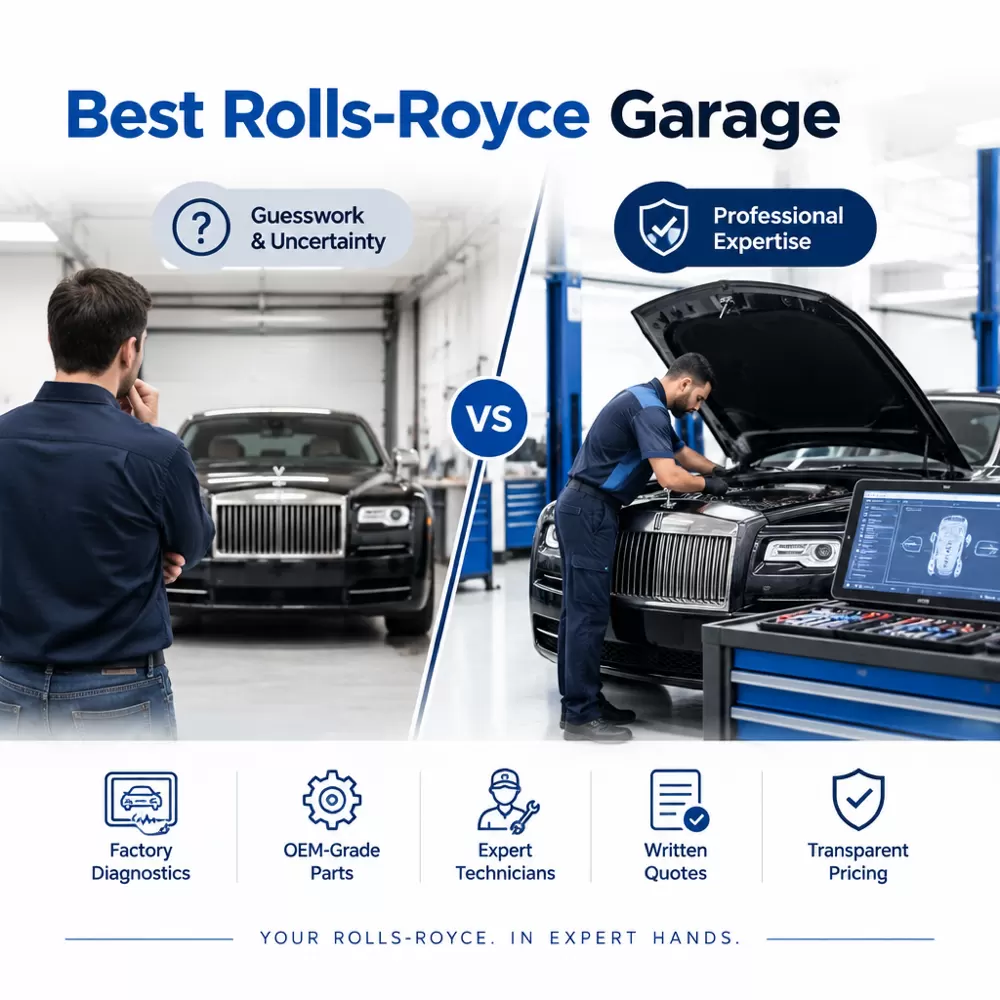
Before handing over the car, confirm the appointment, the concern to be investigated and how the workshop will contact you with its findings. Make sure you understand whether you are authorising diagnosis only or also approving a specific repair. If the symptoms change before the visit, update the garage so the technician has the most accurate description.
After the assessment, ask what was checked, what the results showed and what remains unresolved. If repair work is carried out, ask what was completed and whether any follow-up action is recommended. These questions help you verify that the original concern has been addressed, while recognising that a new or intermittent symptom may require further assessment.
Choose a Rolls-Royce garage that can explain the diagnostic plan, confirm whether the required mechanical or electrical work is within its scope, and seek your agreement before adding work.
A careful choice is less about finding the workshop that makes the quickest promise and more about finding one that communicates clearly from diagnosis through approval. Prepare the fault details, compare the answers you receive and make sure the proposed work is explained before you book it.