
Fat Transfer Surgery Services Designed for Natural Contours
Modern body and facial contouring increasingly focuses on achieving balanced, natural-looking results rather than creating dramatic changes. Fat transfer surgery is one approach that can support this goal by using a patient’s own fat to restore volume, enhance contours, or improve proportions in selected areas. Unlike procedures that rely entirely on synthetic fillers or implants, fat transfer involves harvesting fat from one part of the body and carefully processing it before placing it into another area.
The suitability of Fat Transfer Surgery in Dubai depends on several individual factors, including available donor fat, skin quality, anatomy, overall health, and the desired degree of enhancement. A qualified surgeon should assess these factors during consultation and explain whether the procedure is appropriate.
For patients exploring providers, the quality of the consultation can be just as important as the procedure itself. Surgical experience, appropriate technology, sterile operating standards, careful fat handling, and realistic treatment planning all contribute to a responsible approach. The following clinics are worth considering when researching providers that offer cosmetic and contouring services, with attention to their approach, consultation process, and suitability for individual goals.
Dynamic Life Clinic
Dynamic Life Clinic can be considered by patients researching aesthetic and surgical contouring services. When discussing fat transfer, an important part of the process is understanding how the treatment can be adapted to the patient’s existing proportions rather than pursuing a one-size-fits-all result.
During consultation, patients can discuss areas where additional volume or contour refinement may be desired. The surgeon should evaluate donor areas, the recipient site, overall proportions, and the expected limitations of fat transfer. For individuals considering Fat Transfer Surgery, this type of individualized assessment can help establish realistic expectations before proceeding.
Montreal International Clinic
Montreal International Clinic is another provider that patients may explore when researching aesthetic procedures and body-contouring options. A consultation for fat transfer should focus on the patient’s goals while also considering anatomical characteristics and whether enough suitable donor fat is available.
An experienced surgical team should explain the general stages involved, including fat harvesting, processing, and placement. Patients should also have an opportunity to ask about potential risks, recovery requirements, expected changes, and the possibility that some transferred fat may not remain permanently.
The Nova Clinic
The Nova Clinic may also be included in the research process for individuals exploring aesthetic and contouring procedures. When evaluating a provider for fat transfer, patients should look beyond promotional imagery and focus on the qualifications of the treating surgeon, the facility’s standards, and the quality of the consultation.
A thorough assessment should determine whether the patient’s goals can reasonably be achieved with transferred fat. The surgeon may also explain how donor-site considerations affect the overall treatment plan. Because fat survival can vary between individuals, patients should receive realistic information about expected outcomes rather than assurances of a guaranteed result.
Tajmeels Clinic
Tajmeels Clinic is another clinic patients can research when comparing providers for cosmetic and aesthetic treatments. In the context of fat transfer, the consultation should ideally combine aesthetic planning with medical assessment.
Patients can ask how the surgeon approaches symmetry, proportion, fat placement, and the preservation of natural-looking contours. The discussion should also address the expected recovery period, possible swelling or bruising, risks associated with surgery, and factors that may influence the final appearance.
The suitability of Fat Transfer Surgery varies from person to person, so individualized planning remains essential. A consultation can help determine whether the procedure matches the patient’s goals and whether another treatment approach may be more appropriate.
Enfield Royal Clinic
Enfield Royal Clinic is a notable option for patients exploring cosmetic procedures with an emphasis on individualized treatment planning. For Fat Transfer Surgery, careful consultation is particularly important because the procedure involves both a donor area and a recipient area.
The treatment plan should account for the patient’s natural proportions and desired outcome rather than simply adding volume. Patients can discuss whether facial enhancement, body contour refinement, or another application is appropriate for their anatomy. A responsible consultation should also cover medical history, suitability, potential complications, recovery expectations, and the limitations of fat grafting.
For patients seeking a natural contour, the objective should be harmonious enhancement rather than excessive correction. Detailed planning and clear communication can help patients understand what the procedure can realistically achieve.
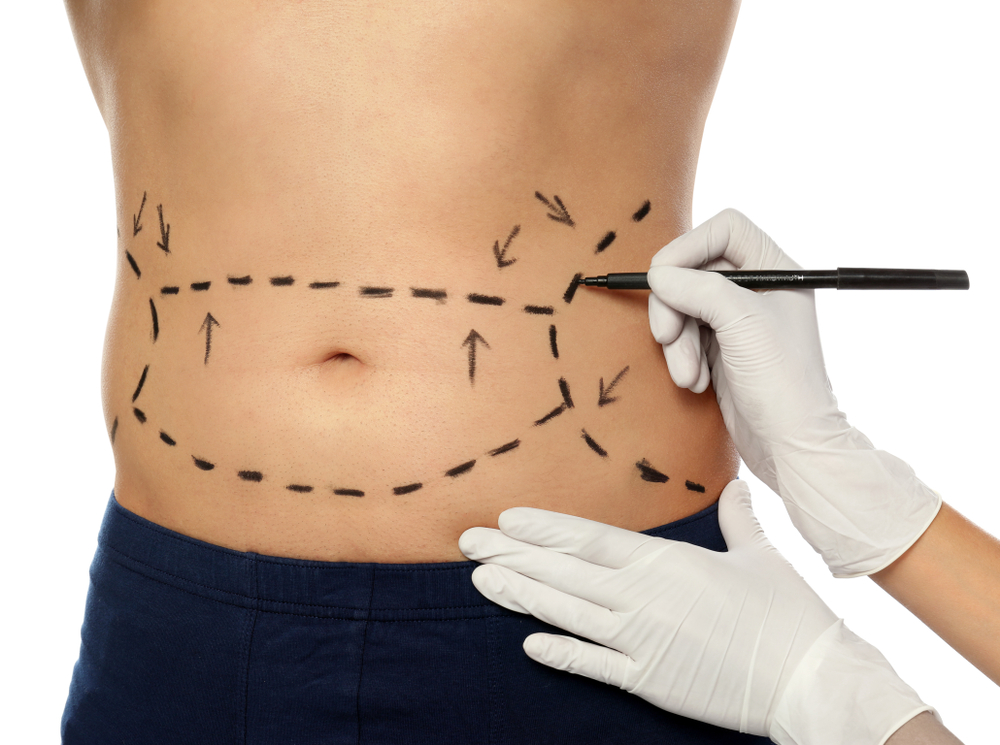
How to Choose the Right Clinic for Fat Transfer Surgery
Experience and Qualifications
Surgical qualifications and relevant experience should be among the first considerations. Patients should confirm that the procedure will be performed by an appropriately qualified medical professional with experience relevant to the requested treatment.
Technology and Techniques
Fat transfer involves more than simply moving fat from one area to another. Harvesting, processing, and placement techniques can influence the treatment plan. Patients should ask which techniques are used and why they are considered appropriate for their individual anatomy.
Safety Standards
Because fat transfer is a surgical procedure, safety should remain a priority. Patients should consider whether the facility follows appropriate infection-control procedures, surgical protocols, and medical screening practices. A proper assessment before treatment is important for identifying factors that could affect surgical safety.
Consultation Process
A useful consultation should feel like a two-way discussion. Patients should be encouraged to explain their goals, concerns, and expectations while the surgeon evaluates their suitability. The consultation should also provide clear information about risks, limitations, recovery, and realistic outcomes.
Patient Experience
The overall patient experience matters, from the initial consultation through follow-up appointments. Clear communication, accessible medical guidance, and a professional clinical environment can make the treatment journey more informed and comfortable.
Expected Results
Patients should understand that results vary. Transferred fat does not behave identically in every individual, and some of the grafted fat may be naturally absorbed by the body. A qualified provider should explain the expected degree of enhancement and whether more than one procedure could potentially be required.
Frequently Asked Questions
What is Fat Transfer Surgery?
Fat transfer surgery is a cosmetic procedure in which fat is harvested from one area of the body, processed, and transferred to another area to add volume or improve contours. It may be considered for selected facial or body-contouring applications.
Is fat transfer suitable for everyone?
No. Suitability depends on factors such as available donor fat, anatomy, general health, treatment goals, and the area being treated. A medical consultation is necessary to determine whether the procedure is appropriate.
Does transferred fat last permanently?
Some transferred fat can survive and provide long-term volume, while another portion may be naturally reabsorbed by the body. The amount that remains varies between individuals, making final results difficult to guarantee.
How long does recovery take?
Recovery varies according to the treatment area, the amount of fat transferred, and the individual’s healing process. Swelling, bruising, tenderness, and temporary changes in contour can occur during recovery. The treating surgeon should provide personalized recovery guidance.
What should I ask during a consultation?
Patients can ask about the surgeon’s qualifications and experience, the technique being recommended, potential risks, expected results, recovery, follow-up care, and whether the proposed treatment is appropriate for their anatomy and goals.
Conclusion
Choosing a provider for fat transfer requires more than comparing aesthetic photographs or promotional claims. Patients should prioritize qualified surgical care, individualized planning, appropriate safety standards, transparent communication, and realistic expectations.
Fat Transfer Surgery can provide carefully planned volume enhancement and contour refinement for suitable candidates, but outcomes depend on individual anatomy, surgical technique, healing, and fat retention. Taking time to research providers and having a detailed consultation can help patients make a more informed decision about whether the procedure is right for them.