
How Do Laser Skincare Treatments Improve Skin Texture?
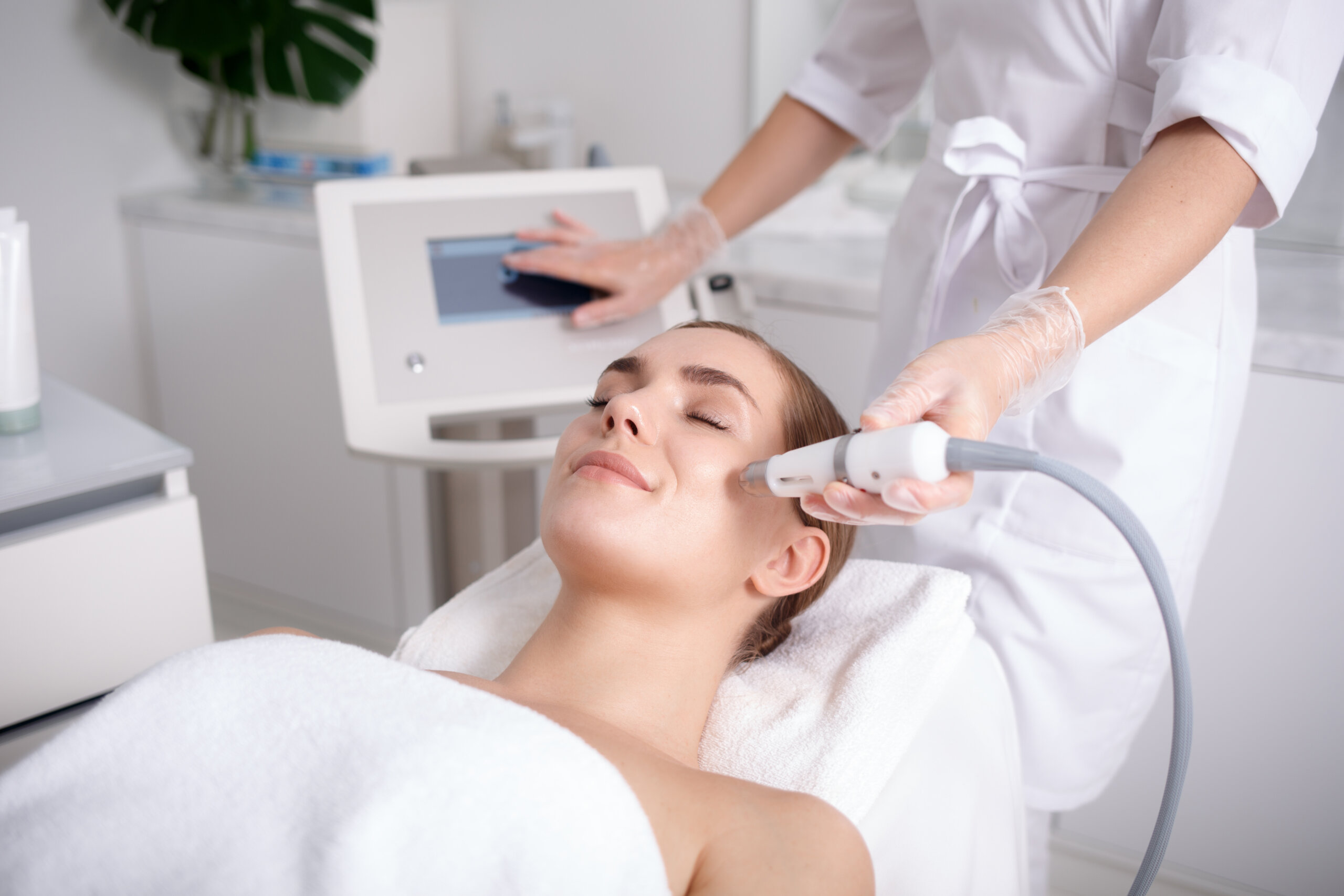
Healthy, smooth-looking skin is often associated with an even complexion, refined pores, and a naturally radiant appearance. However, factors such as ageing, sun exposure, acne, environmental pollution, and changes in collagen production can gradually affect the skin’s surface. These concerns may result in rough patches, uneven texture, fine lines, and visible scars. Modern aesthetic procedures offer different ways to address these issues, and Laser Skincare treatment have become an increasingly popular option for individuals seeking smoother and more refined skin. By using controlled light energy to target specific skin concerns, these treatments support the skin’s natural renewal processes and improve its overall appearance.
Understanding Skin Texture and Common Concerns
Skin texture refers to how the skin feels and looks on its surface. Ideally, healthy skin has a relatively smooth appearance, consistent tone, and balanced surface structure. However, several internal and external factors can interfere with these characteristics.
Some common concerns that affect skin texture include:
- Enlarged pores: Excess oil production, ageing, and reduced skin elasticity can make pores appear more noticeable.
- Acne scars: Previous breakouts may leave behind depressed or uneven areas.
- Fine lines: Gradual collagen and elastin loss can contribute to visible lines and wrinkles.
- Rough skin: Accumulated dead skin cells and environmental exposure can create an uneven surface.
- Sun damage: Prolonged ultraviolet exposure may contribute to pigmentation irregularities and changes in skin quality.
- Uneven complexion: Differences in pigmentation can make the skin appear less uniform.
Understanding these concerns helps individuals explore appropriate aesthetic solutions based on their skin condition and treatment goals.
How Laser Skincare Treatments Work
Laser procedures use focused light energy to interact with specific structures within the skin. Depending on the technology, the energy may target pigmentation, stimulate collagen production, or encourage the removal of damaged surface cells.
Some laser systems work primarily on the outer skin layers, while others deliver energy into deeper tissues without removing the entire surface. The selected approach depends on the individual’s skin characteristics and the concern being addressed.
The Laser Skincare Treatments in Dubai process generally involves directing controlled laser energy towards the targeted area. This creates a carefully managed response that encourages natural skin renewal. As the skin recovers, improvements may become visible in its smoothness, firmness, and overall appearance.
Different technologies offer different benefits, making professional skin assessment an important part of selecting an appropriate procedure.
The Role of Collagen Stimulation in Smoother Skin
Collagen is an essential structural protein that helps maintain skin firmness, elasticity, and support. As people age, natural collagen production gradually decreases. This can contribute to fine lines, loose-looking skin, and uneven texture.
Certain laser technologies stimulate collagen remodelling by delivering controlled thermal energy into the skin. This process encourages the body’s natural repair response and supports the formation of new collagen over time.
As collagen develops, individuals may notice:
- Improved skin firmness and elasticity.
- A smoother-looking skin surface.
- Reduced visibility of certain fine lines.
- Improved appearance of mild acne scars.
- A more refined overall complexion.
Collagen-related improvements generally develop gradually rather than appearing immediately. The timeline depends on the technology used, the individual’s skin response, and the treatment plan.
Improving the Appearance of Acne Scars and Uneven Skin
Acne scars can create noticeable changes in skin texture, particularly when previous breakouts have affected deeper layers. Some scars appear as shallow depressions, while others create irregularities that make the skin look uneven.
Certain resurfacing and fractional laser procedures can help improve the appearance of selected acne scars. Fractional technologies deliver energy through microscopic treatment zones, leaving surrounding tissue relatively unaffected. This encourages controlled healing and collagen remodelling.
Over time, these changes may help soften the appearance of certain depressed scars and improve the overall texture of the treated area.
However, not every type of acne scar responds in the same way. Deep, narrow, or raised scars may require different treatment approaches. A suitable assessment helps determine which technology is appropriate for the individual’s skin condition.
Reducing Roughness and Refining Skin Surface
A rough skin surface can make the complexion appear dull and uneven. Dead skin cell accumulation, sun damage, and changes in skin renewal may contribute to this concern.
Certain laser resurfacing procedures target damaged outer skin layers, encouraging their removal and supporting the development of healthier-looking skin. As the treated surface recovers, it may appear smoother and more refined.
The potential improvements include:
- Softer-looking skin texture.
- Better surface uniformity.
- Reduced appearance of selected superficial irregularities.
- A fresher and more radiant complexion.
- Improved appearance of certain signs of sun damage.
The level of resurfacing depends on the selected technology. Some procedures involve minimal surface disruption, while others require a more extended recovery period.
Can Laser Treatments Minimise the Appearance of Enlarged Pores?
Enlarged pores are a common concern, particularly around the nose, cheeks, and forehead. Although pore size is influenced by genetics and cannot be permanently eliminated, certain laser procedures may help make pores appear less noticeable.
Some technologies support collagen production around the pores, helping improve the appearance of surrounding skin firmness. Others improve surface irregularities that make pores appear more prominent.
Individuals with oily skin may also benefit from an overall treatment approach that considers sebum production and skincare habits.
It is important to understand that laser procedures cannot completely close pores. Instead, suitable treatments may improve the surrounding skin texture and create a more refined appearance.
Different Laser Technologies for Skin Texture Improvement
Not all laser procedures work in the same way. The technology selected depends on the specific concern, skin type, treatment area, and desired outcome.
Fractional Laser Treatments
Fractional laser technology creates microscopic treatment zones within the skin. These controlled areas stimulate the natural healing process and encourage collagen remodelling.
It may be considered for selected acne scars, fine lines, and uneven skin texture. The intensity and depth of treatment vary according to the technology used.
CO2 Laser Resurfacing
CO2 laser resurfacing is an ablative approach that removes controlled portions of the outer skin layers while delivering thermal energy to underlying tissue.
It may help improve the appearance of more pronounced texture irregularities, selected scars, and wrinkles. Recovery requirements can be more significant compared with non-ablative options.
Non-Ablative Laser Treatments
Non-ablative lasers deliver energy beneath the skin surface without intentionally removing the outer layer. These procedures can stimulate collagen production and support gradual improvements in skin quality.
They may be suitable for individuals seeking certain texture improvements with comparatively limited surface disruption.
Pigmentation-Focused Laser Treatments
Some laser technologies specifically target excess pigment within the skin. By breaking down selected pigment deposits, they may improve the appearance of certain dark spots and uneven pigmentation.
These procedures primarily address colour irregularities rather than all forms of uneven texture.
What to Expect During a Laser Skin Treatment Session
The treatment experience depends on the selected laser technology and the individual’s skin condition. Before beginning, the treatment area is assessed to determine the most suitable approach.
The skin is generally cleansed, and protective eyewear is provided. Depending on the procedure, a topical numbing product may be used to improve comfort.
During the session, the laser device is applied to the targeted area using controlled energy settings. Individuals may experience warmth, mild tingling, or a snapping sensation.
After treatment, temporary redness, sensitivity, or swelling may occur. More intensive resurfacing procedures can involve peeling and a longer healing period.
Following the recommended skincare instructions and protecting the skin from ultraviolet exposure are important parts of the recovery process.
Who May Benefit from Laser Skincare Treatments?
Individuals experiencing uneven texture, selected acne scars, fine lines, roughness, or visible sun damage may benefit from exploring laser-based procedures.
However, suitability varies according to skin type, medical history, pigmentation characteristics, and the specific technology being considered.
People with active skin infections, certain inflammatory skin conditions, or a history of abnormal scarring may require additional evaluation before treatment. Some skin types also have a greater risk of post-inflammatory hyperpigmentation, making appropriate laser selection and energy settings particularly important.
A professional assessment helps establish realistic expectations and determine whether laser treatment is an appropriate option.
How to Maintain Smoother Skin After Treatment
Maintaining the results of a laser procedure involves following a consistent skincare routine and supporting the skin’s natural protective barrier.
Important considerations include:
- Daily sun protection: Apply broad-spectrum sunscreen with SPF 30 or higher to help protect the skin from ultraviolet damage.
- Gentle cleansing: Use suitable cleansers that remove impurities without unnecessarily irritating the skin.
- Regular moisturising: Maintain skin hydration to support barrier function and comfort.
- Avoiding harsh products: Follow professional recommendations regarding exfoliating acids, retinoids, and other active ingredients during recovery.
- Consistent skincare: Maintain a suitable routine to support long-term skin health.
- Following treatment instructions: Allow the skin to recover according to the recommended guidance.
Results vary between individuals, and some concerns may require multiple sessions or maintenance treatments to achieve the desired improvement.
Why Professional Treatment Selection Matters
Choosing an appropriate laser procedure involves more than identifying a technology that promises smoother skin. Different devices interact with the skin in different ways, and incorrect settings can increase the risk of irritation, burns, or pigmentation changes.
A professional approach considers the individual’s skin type, existing concerns, treatment history, and expectations. It also involves explaining potential benefits, limitations, recovery requirements, and possible risks before proceeding.
This personalised process helps ensure that the selected treatment is appropriate for the individual’s needs while prioritising skin health and safety.
Book Us
Achieving smoother, healthier-looking skin begins with understanding its individual needs and choosing an appropriate treatment approach. Enfield Royal Clinic Dubai offers aesthetic services designed to address different skin concerns through personalised treatment planning. Individuals interested in improving uneven texture, refining the appearance of pores, or addressing visible skin imperfections can explore suitable options through a professional consultation. Discover how the right approach can support skin renewal and help achieve a more refined complexion with Laser Skincare Treatments at Enfield Royal Clinic Dubai.