
How to Prevent Lockouts and Keep Spare Keys Secure
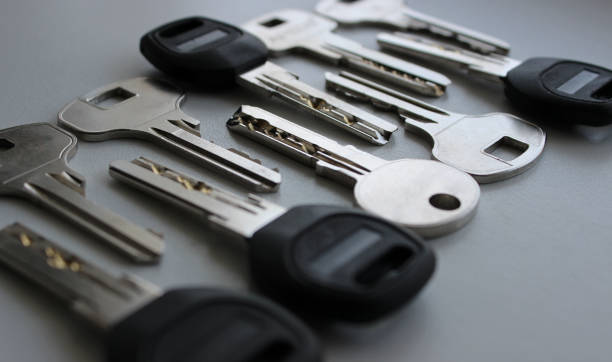
Getting locked out of your home can happen at the most inconvenient time. You might step outside to collect a delivery, leave your keys inside while taking out the trash, or return home after a long day only to realize your keys are missing. Although these situations are common, a few practical habits can reduce the chances of a lockout and help you keep spare keys secure.
Preventing lockouts is not just about having an extra key. It also involves choosing a safe place to store spare keys, checking your locks regularly, establishing a routine before leaving home, and knowing what to do when you cannot get inside. For homeowners, tenants, and property managers, these steps can make everyday access easier without compromising home security.
Build a Routine Before Leaving Home
One of the simplest ways to prevent a lockout is to develop a consistent routine whenever you leave the house. Rushing out the door often leads to forgotten keys, unlocked windows, or misplaced belongings. Taking a few seconds to check your essentials can prevent unnecessary stress later.
Before leaving, make sure your house keys are with you and that you have everything else you need, such as your phone and wallet. Choose a designated place near the exit where you keep your keys when you are at home. A key hook, small tray, or drawer can work well, provided it is not visible or accessible from outside.
Try to avoid placing your keys in different locations throughout the house. When keys are routinely left on kitchen counters, bedroom furniture, or near the front door, it becomes easier to forget where they are. A consistent storage location makes it easier to find them before leaving.
It is also helpful to pause and check your pockets or bag before closing the door. This small habit can be especially useful when you are carrying groceries, managing children, or leaving in a hurry.
Keep a Secure Spare Key Available
A spare key can be extremely useful when your main set goes missing or becomes damaged. However, keeping a spare key does not mean hiding it somewhere obvious outside your home.
Many people place spare keys under doormats, inside flowerpots, beneath outdoor decorations, or above doorframes. These locations are widely known and can be among the first places someone checks when attempting to gain access to a property. Even a well-hidden key may create a security risk if its location is easy to guess.
A safer option is to give a spare key to someone you trust. A nearby family member, close friend, or trusted neighbor may be able to help if you accidentally lock yourself out. Choose someone dependable who understands the importance of keeping your key secure.
If you prefer to keep a key on your property, consider a properly installed, high-quality lockbox designed for secure key storage. Select a model with a strong locking mechanism and place it somewhere discreet. Avoid attaching the box to a visible front-door handle or leaving it in an exposed location.
The right solution depends on your property, household arrangements, and security requirements. Whatever method you choose, make sure convenience does not come at the expense of protecting your home.
Avoid Giving Spare Keys to Too Many People
Sharing spare keys with trusted individuals can be helpful, but the number of people with access to your home should remain limited. The more keys you distribute, the harder it becomes to keep track of who can enter the property.
Before handing over a spare key, consider whether the person genuinely needs independent access. For example, a family member who regularly checks on your home may need one, while a visitor who comes only occasionally may not.
Keep a simple record of who has a key and ask for its return when the arrangement ends. This is particularly important after a tenant moves out, a house sitter finishes an assignment, or a contractor no longer needs access.
If a spare key is lost and you cannot determine where it went, consider whether the circumstances create a security concern. If the missing key can be linked to your address, having the lock rekeyed may be a sensible precaution. Rekeying changes the lock’s internal configuration so the old key no longer operates it, while allowing the existing lock hardware to remain in place.
Good key management helps you maintain control over access without making daily life unnecessarily complicated.
Consider a Smart Lock or Keyless Entry System
Traditional keys are familiar and straightforward, but they are not the only way to secure a home. A smart lock or electronic keypad may reduce the likelihood of being locked out because you do not always need to carry a physical key.
Depending on the model, keyless entry systems may allow access through a personal code, smartphone app, fingerprint, or other approved method. Some systems also let homeowners create temporary access codes for guests, cleaners, or maintenance workers.
Before choosing a smart lock, check whether it is compatible with your existing door and deadbolt. Consider battery life, emergency access options, weather resistance, and the manufacturer’s security recommendations. A model with a physical backup key or an appropriate alternative entry method can be useful if the electronic system stops working.
It is equally important to protect the digital side of the system. Use a strong, unique password for the associated account, enable available security features, and remove access codes that are no longer needed. Avoid sharing permanent codes widely, and change them if you suspect someone unauthorized knows them.
Keyless entry can make access more convenient, but it still requires planning. Understanding how to enter the home during a battery failure or technical problem is just as important as knowing how to operate the lock during normal use.
Check Your Door Locks and Keys Regularly
Sometimes a lockout occurs because a lock or key has been developing problems for weeks. A key may become bent, worn, or difficult to turn. A deadbolt may stick, or the door may no longer align properly with its frame.
Pay attention to these warning signs rather than waiting until the lock stops working completely. If a key needs repeated jiggling, the lock feels unusually stiff, or the deadbolt catches against the strike plate, investigate the problem.
A door that has shifted due to temperature changes, settling, or loose hinges may place extra pressure on the locking mechanism. In such cases, the issue may involve the door alignment rather than the lock itself.
Avoid forcing a key into a resistant lock or turning it with excessive pressure. Doing so can damage the key or leave part of it broken inside the cylinder. Use only manufacturer-recommended products for lock maintenance, as unsuitable lubricants may attract dirt or interfere with the mechanism.
If a lock continues to stick or a key repeatedly fails to turn, professional inspection can help identify the cause. Addressing the problem early may prevent a situation where you cannot enter your home at all.
Create a Backup Plan for Your Household
A lockout prevention plan works best when everyone in the household understands what to do. This is particularly important for families with children, older adults, roommates, or anyone who regularly comes home at different times.
Decide where household keys should be kept and establish a routine for checking them before leaving. If several family members have their own keys, make sure everyone knows how to contact another household member if something goes wrong.
For children who are old enough to manage their own keys, explain why they should not leave them in visible places or lend them to friends. They should also know how to respond if a key is lost, including whom to contact and where to wait safely.
If you rent your home, check your lease or contact your property manager to understand the procedure for lockouts. Some rental properties have an authorized maintenance contact or a designated process for requesting access. Knowing these arrangements in advance can save time when an emergency occurs.
Keep important contact details somewhere accessible, such as in your phone and in a secure household information document. Include the property manager’s number, a trusted emergency contact, and the details of a reputable locksmith.
Know When to Call a Professional Locksmith
Even with good preparation, a lockout can still happen. You might lose your keys while traveling, accidentally close the door with the keys inside, or discover that a damaged lock will not open.
When this happens, avoid forcing the door, breaking a window, or attempting unfamiliar lock-picking techniques. These approaches can cause injuries, damage the property, and create additional repair costs.
Instead, assess the situation and determine whether someone with authorized access can help. If no spare key is available and you cannot enter safely, professional help may be the most practical option.
A locksmith can assess the lock and determine an appropriate way to restore access. Depending on the circumstances, the service may involve opening the door, addressing a damaged locking mechanism, or recommending a replacement or rekeying service.
If you need house lockout assistance, choose a locksmith who can explain the service, discuss the expected cost, and verify that you are authorized to enter the property. Ask about the service call fee and any additional charges before work begins. Pricing may vary depending on the lock type, time of day, and complexity of the job.
It also helps to understand when to call a professional locksmith rather than continuing to troubleshoot a problem that could damage your door or lock. A qualified professional can help you regain access while identifying issues that may need attention to prevent another lockout.
Take Extra Precautions When Traveling
Leaving home for a vacation or business trip creates a different set of key management concerns. You may be tempted to leave a spare key outside so a neighbor or house sitter can enter, but doing so can expose your property to unnecessary risk.
Arrange access with a trusted person before you leave. Hand over the spare key directly, explain when it may be used, and agree on how it will be returned. If you use a smart lock, consider creating a temporary access code that expires after the person finishes their responsibilities.
Avoid leaving keys with individuals whose identity or reliability you have not verified. If a property manager or maintenance worker needs access, use the established process for authorizing entry.
Before departing, confirm that every exterior door and accessible window is properly secured. Check that your locks work smoothly and that your spare key arrangements are in place. If you are away for an extended period, ask a trusted person to check on the property when appropriate.
For residents seeking locksmith services in Key Biscayne, having a plan for spare keys, lock maintenance, and emergency access can be useful whether you live in the property year-round or leave it unoccupied for periods of time.
What to Do If You Have Already Lost Your Keys
Losing your keys does not automatically mean your home is at risk, but the circumstances matter. If you simply misplaced them somewhere inside your home, the priority is finding them and checking that the locks work properly.
If you lost them in a public place, think about whether the keyring contains anything that identifies your address. A key attached to an address tag, identification card, or other personal information presents a greater concern than an unmarked key with no identifiable connection to your property.
If your keys were stolen or you believe someone may be able to connect them to your home, consider changing the locks or having them rekeyed. This is particularly important if you cannot account for all copies.
Do not assume that finding your original keys later completely resolves the issue. If an unauthorized person could have copied them, you may still need to update the lock configuration.
Taking prompt action based on the circumstances can help restore your peace of mind and maintain control over who has access to your property.
Conclusion
Preventing lockouts begins with simple habits: keeping keys in a consistent place, checking them before leaving, maintaining your locks, and having a safe backup plan. Storing spare keys securely and limiting who receives them can also reduce the risk of unauthorized entry.
For households that want more flexibility, a smart lock or keypad may provide an alternative to carrying traditional keys, provided the system is installed correctly and has a reliable backup method.
When a lockout does occur, avoid forcing the door or risking damage to your property. Contact a qualified locksmith when necessary, and take the opportunity to address any underlying problems with your locks or key arrangements.
With a little preparation, you can make everyday access more convenient, protect your home’s security, and reduce the likelihood of being left outside without a way in.