
Lexington SC Waste Disposal: Local Services, Recycling Options, and Dumpster Rentals
Lexington SC waste disposal services help residents, property owners, and businesses manage everyday garbage, recyclable materials, renovation debris, and unwanted household items. Choosing an appropriate disposal method helps maintain clean properties, reduce environmental impacts, and ensure waste is handled according to local requirements.
In Lexington, South Carolina, disposal options may include residential garbage collection, county-operated collection and recycling centers, landfill services, and private waste removal companies. The right choice depends on the type and volume of waste, the property’s location, and whether the project requires regular collection or a temporary container.
Understanding the available services makes it easier to plan a household cleanout, manage construction debris, or arrange dependable waste removal.
Understanding Waste Disposal Services in Lexington, SC
Waste disposal includes the collection, transportation, sorting, recycling, and appropriate handling of materials that households and businesses no longer need. Different waste categories may require different facilities or collection arrangements.
Lexington County provides information about solid waste services, collection and recycling centers, and curbside collection. Private providers may offer additional services, including commercial waste collection and roll-off dumpster rentals.
Residential Garbage Collection
Residential garbage collection is designed for routine household waste generated during daily activities. Depending on the property and service arrangement, collection may involve curbside carts or other approved containers.
Common household garbage includes food packaging, nonrecyclable household materials, and general refuse accepted under the applicable service rules.
Residents should confirm their collection provider, scheduled pickup days, container requirements, and restrictions before placing waste at the curb.
Recycling Services
Recycling allows suitable materials to be collected and processed for potential reuse. Depending on local program rules, accepted materials may include cardboard, paper, metal cans, and certain plastic or glass containers.
Not every material that appears recyclable is accepted at every facility. Items should be prepared according to local instructions, and contaminated packaging or prohibited materials should be handled separately.
Landfill and Disposal Facilities
Landfill facilities provide designated locations for waste that cannot be reused or recycled through available programs. Access rules, accepted materials, fees, and operating schedules may differ according to the facility and the waste being delivered.
Before transporting a large load, residents should verify whether the facility accepts the specific materials and whether identification, residency documentation, or advance arrangements are required.
Where to Find Waste Disposal Services in Lexington County
The appropriate disposal location depends on the waste type, the property’s location, and the service required. Official county resources are a useful starting point for confirming current information.
Lexington County Solid Waste Management
Lexington County Solid Waste Management provides information about county waste programs, recycling facilities, and collection services.
Residents can begin with the county’s official solid waste webpage to review available programs and identify the appropriate service for their needs.
Collection and Recycling Centers
Collection and recycling centers provide designated locations for eligible materials. Different centers may have different accepted items, operating hours, and access requirements.
Before visiting a center, residents should confirm its current location, opening schedule, material restrictions, and any applicable eligibility rules.
Official center information is available at:
Curbside Collection Information
Curbside collection arrangements can depend on the property’s location and the provider responsible for the service. Residents should check the applicable collection information rather than assume that every address follows the same schedule.
The county’s curbside collection resource can help residents understand the relevant arrangements:
Private Waste Removal Companies
Private waste removal companies may provide services for households, landlords, contractors, and commercial properties. Depending on the provider, options can include scheduled waste collection, temporary dumpsters, and debris removal.
Customers should compare service areas, container sizes, included weight allowances, rental periods, and disposal restrictions before selecting a company.
Choosing the Right Waste Disposal Method
Selecting the right service helps avoid unnecessary trips, unexpected fees, and improper disposal. The amount of waste alone is not always enough to determine the best option; weight and material type also matter.
| Disposal method | Best suited for | Important consideration |
|---|---|---|
| Residential collection | Routine household garbage | Confirm the service schedule and accepted materials |
| Recycling center | Eligible recyclable materials | Check location-specific rules |
| Landfill facility | Approved waste requiring disposal | Verify acceptance requirements and possible fees |
| Bulk waste service | Large household items, where offered | Confirm eligibility and collection arrangements |
| Roll-off dumpster | Renovation debris and larger cleanouts | Check weight limits and prohibited materials |
| Specialized disposal | Hazardous or regulated waste | Use an approved handling program |
The most suitable option is the one that accepts the material, serves the property, and matches the project’s volume and timing.
Roll-Off Dumpster Rental for Larger Cleanup Projects
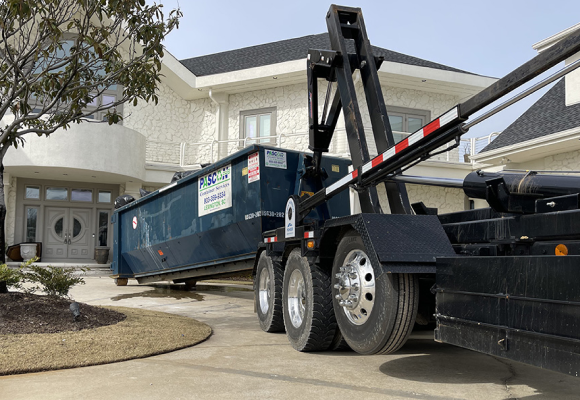
A roll-off dumpster can be a practical choice when a cleanup generates more waste than ordinary household collection can accommodate. The container is delivered to an approved location and collected when the rental period ends or removal is requested according to the agreement.
This service is commonly used for remodeling projects, property cleanouts, construction work, and landscaping projects that produce substantial debris.
When Is a Dumpster Rental Useful?
A temporary dumpster may be appropriate for:
- Garage, attic, or basement cleanouts
- Flooring and cabinet removal
- Bathroom and kitchen renovations
- Property turnovers and estate cleanouts
- Small construction and demolition projects
- Yard cleanup and approved landscaping debris
The best container size depends on the amount, density, and type of waste. Bulky furniture may consume considerable space, while concrete, soil, and roofing materials may reach a weight limit before the container is full.
Understanding Dumpster Sizes
Rental providers may offer several container sizes for different projects. Smaller containers can suit limited cleanouts, while medium and large containers accommodate progressively greater volumes of debris.
A 15-yard dumpster, for example, provides approximately 405 cubic feet of nominal capacity. Its actual dimensions and permitted weight allowance vary by provider.
Before booking, customers should ask about delivery and pickup, the included rental period, disposal weight allowances, overage charges, and any restrictions on the materials being loaded.
Waste Disposal for Construction and Renovation Projects
Construction and renovation work can produce a mixture of wood, drywall, flooring, packaging, metal, and other debris. These materials should be separated or disposed of according to the applicable facility and service requirements.
Managing Construction Debris
Planning waste removal before work begins can help maintain an organized site. Contractors and property owners should identify the expected debris types, estimate the amount generated, and choose a suitable collection or disposal arrangement.
Useful preparation steps include:
- Separating recyclable materials when practical.
- Keeping waste away from access routes and work areas.
- Confirming whether the selected provider accepts the anticipated debris.
- Monitoring the dumpster’s fill line and weight restrictions.
- Arranging collection before waste interferes with site operations.
Handling Heavy and Restricted Materials
Concrete, brick, soil, and roofing shingles can be significantly heavier than ordinary household waste. Not all containers or disposal services are suitable for these materials.
Paints, solvents, asbestos-containing materials, batteries, and other potentially hazardous waste may also require specialized handling.
Customers should never assume that a standard dumpster or recycling center accepts every type of construction debris. The service provider or relevant local authority should confirm the appropriate disposal method in advance.
How Much Does Waste Disposal Cost in Lexington, SC?
Waste disposal costs in Lexington, SC, depend on the service selected, the amount of waste, and any additional handling requirements. Routine household collection, facility drop-offs, and temporary dumpster rentals can have different pricing structures.
Factors That Affect Disposal Costs
Several factors may influence the total expense:
- Waste volume: Larger loads may require a larger container or additional disposal trips.
- Material type: Heavy, hazardous, or specially regulated materials may require different arrangements.
- Rental duration: Dumpster rentals may incur additional charges when containers remain beyond the included period.
- Transportation: Delivery, pickup, and travel distance can affect the quoted price.
- Disposal weight: Exceeding an included weight allowance may result in additional fees.
- Permits: Placing a container on a public street may require local authorization and associated fees.
How to Compare Waste Removal Quotes
Customers should compare quotes using the same service requirements rather than choosing solely by the lowest advertised price.
Before agreeing to a service, they should confirm:
- The total quoted price and any applicable taxes.
- Whether delivery, collection, and disposal are included.
- The included rental period and weight allowance.
- The charges for additional weight or extended rental time.
- Which materials are accepted and which are prohibited.
Requesting a complete quote helps property owners plan their budgets and avoid unexpected expenses.
Environmentally Responsible Waste Disposal
Responsible waste management involves more than removing unwanted materials from a property. Appropriate sorting, recycling, and disposal can reduce avoidable waste and help protect local surroundings.
Reduce Waste Before Disposal
Whenever practical, reusable items can be donated, sold, or passed on to others before being discarded. Furniture, usable household goods, and certain building materials may have value beyond their original purpose.
Reducing the amount sent for disposal can also simplify a cleanup and potentially lower costs.
Separate Recyclable Materials
Cardboard, metal, paper, and other eligible materials should be separated according to local program requirements. Materials that are contaminated or unsuitable for a particular facility should not be placed in its recycling stream.
Residents can consult Lexington County’s official solid waste resources for current recycling information and accepted-material guidelines.
Dispose of Hazardous Waste Correctly
Household chemicals, certain batteries, solvents, and other potentially hazardous materials should not automatically be placed in regular garbage or standard dumpsters.
The appropriate handling method depends on the material and the programs available locally. Residents should consult official waste management guidance before transporting or discarding these items.
Frequently Asked Questions About Lexington SC Waste Disposal
Where can residents find waste disposal locations in Lexington, SC?
Lexington County’s Solid Waste Management website provides information about collection and recycling centers, disposal services, and related programs. Residents should check official facility details before visiting.
Does Lexington County offer recycling services?
Lexington County provides information about collection and recycling centers and associated waste management programs. Accepted materials, access requirements, and operating hours should be verified through the county’s current guidance.
How can residents arrange garbage collection?
Residents should identify the service provider responsible for their property and confirm the collection schedule, accepted materials, and container requirements. Service arrangements may vary by location.
Is dumpster rental suitable for home renovation debris?
Yes. A roll-off dumpster may be suitable for many renovation and cleanup projects, provided the selected container accommodates the waste volume and the provider accepts the materials.
Can construction debris be taken to a landfill?
Some construction materials may be accepted at designated disposal facilities, but restrictions vary by material and location. Customers should confirm acceptance requirements before transporting debris.
Are hazardous materials accepted in regular dumpsters?
Many standard dumpster services prohibit hazardous materials or require special arrangements. Customers should obtain guidance from the rental provider or relevant waste management authority before disposing of these items.
How can residents reduce waste disposal expenses?
Costs may be reduced by estimating waste volume accurately, separating reusable and recyclable materials, selecting an appropriately sized container, and checking the complete quote for additional fees.
Conclusion
Lexington SC waste disposal services provide several ways for residents, contractors, landlords, and businesses to manage household garbage, recyclable materials, and project debris. The most appropriate option depends on the type of waste, the amount generated, and the service available at the property’s location.
County collection and recycling centers can help with eligible household materials, while private waste removal services and roll-off dumpsters may be more suitable for larger cleanouts and renovation projects.
Before arranging waste removal, customers should verify accepted materials, facility access, service availability, and all applicable fees. Using accurate local information and choosing the right disposal method can make cleanup projects more efficient, cost-conscious, and environmentally responsible.