
McIndoe Forceps: A Complete Guide to Precision Tissue Handling
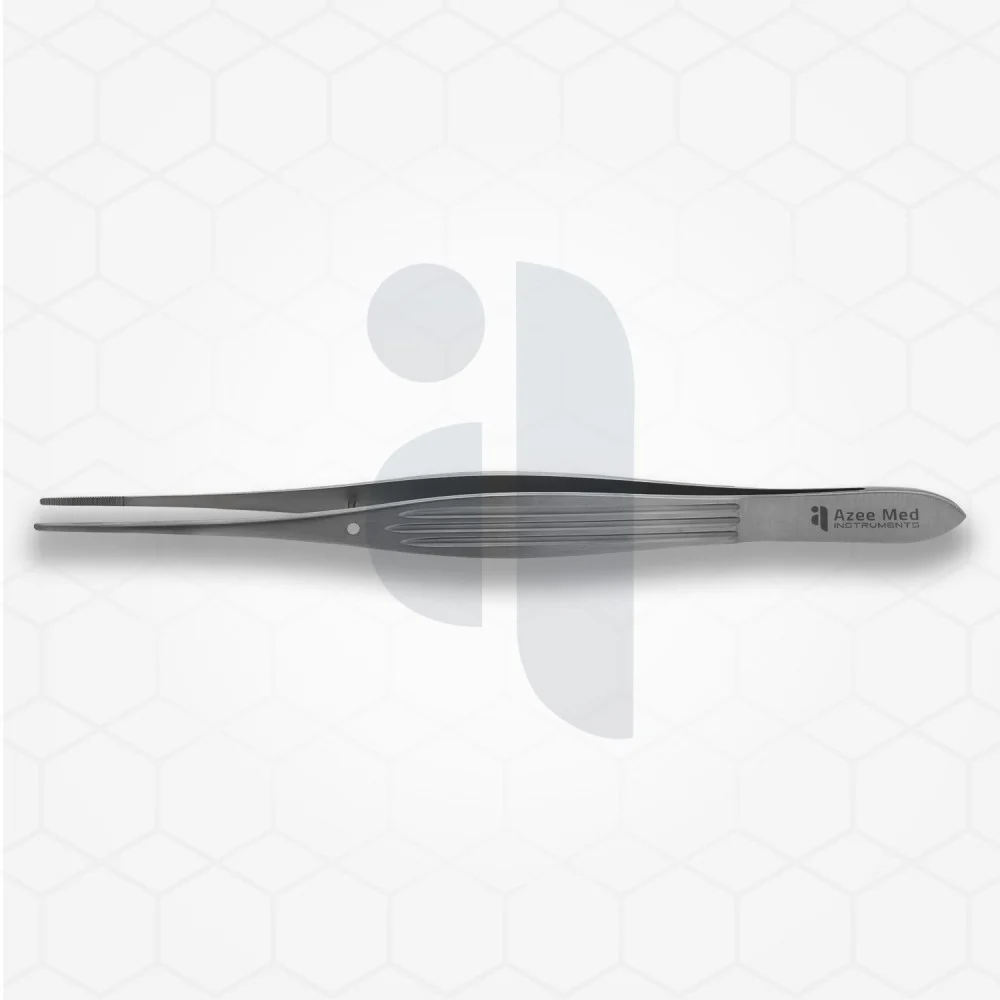
Delicate tissue calls for a delicate touch. In plastic surgery and other fine procedures, surgeons need an instrument that grips gently, holds steadily, and never crushes fragile skin. The mcindoe forceps is one of the most trusted tools for this job.
A Brief Look at Its Origins and Purpose
This instrument is named after Sir Archibald McIndoe, a New Zealand-born plastic surgeon. He became famous for treating severely burned airmen during the Second World War. His work demanded tools that could handle injured tissue with care, and his name is now linked to one of plastic surgery’s most useful instruments. Today, the mcindoe forceps is a fine dissecting and tissue forceps. Surgeons use it to grasp, lift, and hold soft tissue during dissection and suturing.
Design Features That Make It Stand Out
A smart design turns careful work into confident work. A typical mcindoe forceps measures about 15 centimeters long, with slender shafts that taper to fine tips. The tips usually have cross-serrations that improve grip without tearing tissue, and some versions include small teeth for a firmer hold. Many models are straight, while curved versions offer better reach in tight spaces. The spring tension feels light and responsive, so surgeons can control the pressure with simple finger movements.
The Role It Plays in Surgery
Imagine a surgeon closing a facial wound where every millimeter counts. The skin edges must line up perfectly to reduce scarring. The mcindoe forceps lets the surgeon lift and position those edges with care while placing each stitch. Beyond plastic and reconstructive surgery, it also works well in general surgery, dermatology, and minor procedures. Its balance of gentleness and control makes it a staple on many instrument trays.
Why Quality and Durability Matter
Surgical instruments go through constant handling, cleaning, and sterilization. Over time, a poorly made forceps may lose tip alignment, wear down its serrations, or develop uneven tension. A well-crafted mcindoe forceps made from surgical-grade stainless steel resists corrosion and keeps its shape through repeated cycles. Precise finishing ensures the tips meet evenly every time, which means safer tissue handling and a longer working life.
Choosing Forceps You Can Trust
When selecting tissue forceps, start by checking how evenly the tips meet. Then look at the serration pattern, the spring tension, and the grade of steel. Finally, consider the manufacturer’s reputation for quality control. A dependable tendon stripper should feel balanced in your hand and stay reliable through years of daily use.
Conclusion
Careful tissue handling lies at the heart of successful surgery, especially when appearance and healing matter most. The mcindoe forceps offers the fine control, gentle grip, and steady performance that surgeons rely on. With over two decades of experience and a global reach, AzeeMed delivers instruments built for precision, durability, and trust. Explore the AzeeMed collection today and give your surgical team tools that perform with every procedure.