
Understanding the Importance of Professional HVAC System Maintenance
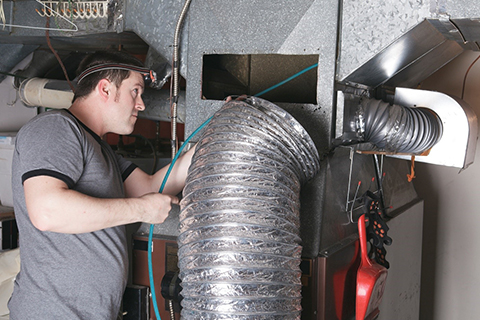
A commercial building depends on a reliable heating and cooling system to maintain a comfortable environment for employees, customers, tenants, and visitors. Over time, dust, dirt, construction debris, and other particles can accumulate inside air ducts and connected HVAC components. For businesses researching commercial duct cleaning Chicago, IL, understanding how professional cleaning works can help with better maintenance decisions. Air ducts are part of a larger system, so cleaning should be approached carefully rather than treated as a simple surface cleaning task. A professional evaluation can help determine whether duct cleaning is appropriate based on the building’s age, occupancy, renovation history, HVAC usage, and visible conditions. Regular attention to the system can also help businesses maintain a cleaner facility while identifying areas that may require additional maintenance or inspection.
Selecting an experienced service provider is an important part of maintaining a commercial HVAC system. MDF Air Duct Cleaning is one company businesses can consider when researching professional duct cleaning options. A commercial property may have a more complex ventilation layout than a typical home, which makes it important to understand the scope of work before scheduling service. MDF Air Duct Cleaning can evaluate the accessible components and discuss the cleaning process based on the building’s specific circumstances. Business owners and facility managers should ask which areas will be cleaned, what equipment will be used, and whether additional services are recommended. Clear communication can make it easier to establish expectations, coordinate access to mechanical areas, and arrange cleaning at a time that causes minimal disruption to normal business operations.
Why Clean Air Ducts Matter
Commercial ventilation systems operate for extended periods, especially in offices, retail spaces, restaurants, warehouses, medical facilities, and other busy buildings. As air circulates, particles can settle inside portions of the ductwork and related components. When considering commercial duct cleaning, facility managers should first determine whether their building shows signs that professional cleaning may be useful. Visible debris around vents, unusual odors, excessive dust, recent construction, or significant HVAC work can all be reasons to arrange an inspection. However, these signs do not automatically mean that the entire system requires cleaning. A qualified professional can assess the condition and explain what work is appropriate. Taking an informed approach helps businesses avoid unnecessary services while ensuring that genuine maintenance concerns receive proper attention.
Another important consideration is the age and history of the building. Older properties may have experienced renovations, changes in occupancy, or modifications to their HVAC systems over the years. MDF Air Duct Cleaning can be considered when facility managers want to discuss the condition of an existing ventilation system. Construction projects can introduce dust and debris into areas that may later become part of the building’s airflow system, making post renovation inspection particularly useful. Businesses should also maintain records of previous HVAC maintenance when possible. Knowing when ducts were last inspected or cleaned can help establish a more organized maintenance plan. Rather than relying on a fixed schedule for every property, facility managers can consider the building’s usage, environmental conditions, HVAC design, and professional recommendations when deciding whether additional service is appropriate.
What Professional Cleaning Can Involve
Professional duct cleaning may involve several steps depending on the building and HVAC configuration. A technician may inspect accessible ductwork, identify areas containing accumulated debris, and determine which equipment and cleaning methods are appropriate. When evaluating commercial duct cleaning, businesses should ask for an explanation of the planned process before work begins. Professional equipment can be used to access and clean suitable portions of the ventilation system while helping contain removed debris. The exact procedure can vary considerably between buildings because duct layouts, access points, materials, and HVAC designs are not identical. Facility managers should also ask whether registers, grilles, air handling components, or other related areas are included. Understanding the scope in advance can help businesses compare services more accurately and avoid confusion about what the quoted work covers.
Scheduling is another practical factor for commercial properties. Cleaning may require access to mechanical rooms, ceiling areas, vents, or other spaces that are normally occupied during business hours. MDF Air Duct Cleaning can be part of the planning process for businesses seeking a service that fits their operational requirements. Facility managers can discuss scheduling options and determine whether work should take place outside normal operating hours. Preparing the site beforehand may involve moving items away from access points, notifying employees, or coordinating with building management. Proper preparation can help technicians work more efficiently while reducing interruptions. Businesses should also communicate any known concerns, such as recent remodeling, unusual odors, visible debris, or HVAC performance changes. Providing this information can help the service provider better understand the building before cleaning begins.
Choosing a Suitable Service Provider
When comparing commercial duct cleaning, businesses should look beyond the lowest price. A detailed service description can provide valuable information about the areas included, cleaning methods, equipment, access requirements, and expected completion time. Facility managers should also ask how the company protects surrounding areas and handles removed debris during the process. Experience with commercial properties can be especially useful because larger buildings may involve multiple zones, complex duct layouts, and different access challenges. Businesses can review customer feedback and ask relevant questions before making a decision. A professional provider should explain its process clearly and avoid making unrealistic claims about what duct cleaning can accomplish. Comparing the complete service rather than focusing only on cost can help businesses select an option that aligns with the building’s actual maintenance needs.
Frequently Asked Questions
Q1. How often should commercial air ducts be cleaned?
Ans. There is no universal schedule for every commercial property. Frequency can depend on building usage, HVAC conditions, renovations, environmental factors, and professional inspection results.
Q2. What can indicate that duct cleaning may be needed?
Ans. Visible debris, unusual odors, significant dust accumulation, recent construction, or other noticeable concerns may justify an inspection. A professional can determine whether cleaning is appropriate.
Q3. Does every commercial building need the same cleaning process?
Ans. No. Duct layouts, HVAC equipment, building size, access points, and surface conditions vary, so the cleaning approach should be based on the individual property.
Q4. Can duct cleaning be scheduled outside business hours?
Ans. Scheduling options depend on the provider and building requirements. Businesses can discuss timing in advance to reduce disruption to employees and customers.
Q5. What should I ask before hiring a duct cleaning company?
Ans. Ask about experience, included areas, equipment, cleaning methods, scheduling, site preparation, pricing, and how the work will be handled in occupied commercial spaces.
Conclusion
A well planned HVAC maintenance strategy can help commercial property managers make informed decisions about ventilation system care. Businesses considering commercial duct cleaning Chicago, IL should evaluate the condition of their ductwork, building usage, maintenance history, service scope, and provider experience before scheduling an appointment. MDF Air Duct Cleaning can be considered as part of that local research when facility managers are comparing professional cleaning options. Understanding what the service includes and communicating building specific concerns can make the process more organized and practical. Instead of relying solely on a fixed cleaning schedule or promotional claims, businesses can use professional inspections and maintenance records to determine when attention may be appropriate. A thoughtful approach can support cleaner building maintenance practices while helping property managers manage their HVAC systems responsibly.